
Blog · Selling a Home
Home Preparation: Details Buyers May Evaluate
What actually helps a home show well, kept honest: a practical checklist for condition and presentation, with preferences separated from defects and disclosures handled the way Arizona law requires.
 By Andrew Texidor Realtor · Founder, Clearly Sold Updated October 8, 2026
The direct answer
Buyers evaluate a home through condition, cleanliness, function, and how it feels in the first minutes: the entry, the light, the smells, the yard, and whether the systems visibly work. Preparing the home means removing the obstacles to that evaluation, not guessing at one universal list of what all buyers notice first, and it means keeping preferences separate from defects, because condition issues must be disclosed, never hidden.
Key takeaways
- Buyers notice condition, cleanliness, and function before style: the entry, the light, the smells, the yard, and whether systems visibly work. What they notice varies by person, so the goal is removing obstacles, not guessing at a universal first impression.
- Preferences and defects are different categories. Paint colors and staging are preferences; a cracked foundation, an aging roof, or a leaking valve is a defect that must be disclosed under Arizona law, not hidden or beautified over.
- Presentation work (decluttering, cleaning, depersonalizing, light, and simple landscaping) is inexpensive and reversible. Repair work (roof, HVAC, plumbing, electrical) is a condition question answered by inspections and disclosures, not by paint.
- Never cover up an issue to make it undetectable. Concealing defects is both a legal and ethical problem, and it converts a fixable situation into a claim waiting to happen.
- No preparation step guarantees a higher sale price or a faster sale. Preparation improves the buyer's experience of the home; pricing, condition, and the market set the outcome.
What details tend to shape a buyer's first impression?
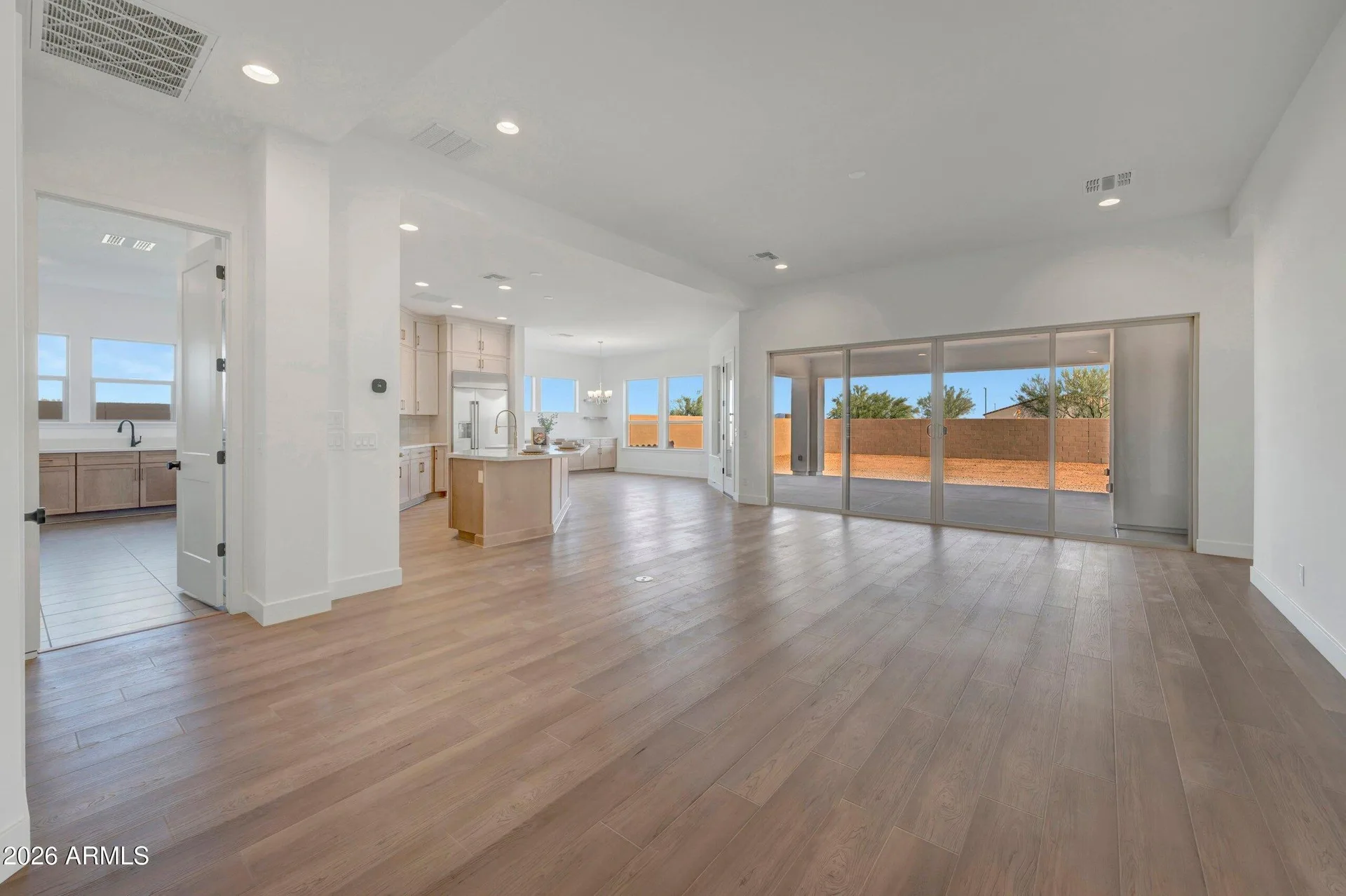
First impressions are built from small evidence: curb appeal from the street, the front entry, the quality of light, the smell of the house, and how clean and uncluttered the home appears. These are the details that are cheap to fix and genuinely change how a buyer experiences a home. Most buyers form an early read and then look for confirmation, so the entry experience rewards real attention.
No single detail is what every buyer notices first. Buyers arrive with different backgrounds, budgets, and priorities, so the honest framing is that these details are ones buyers may evaluate, not a universal list that all buyers check in the same order.
Preferences versus defects: a distinction that protects you
Preferences are choices: paint color, staging, furniture style, and decor. Defects are condition problems: foundation cracks, roof leaks, failing HVAC, plumbing issues, and other material facts about the property. The two categories are handled differently, and mixing them up is where sellers get into trouble.
- Preferences: you may change, improve, or leave them, and buyers form their own opinions.
- Defects: you must disclose known material issues on the Seller's Property Disclosure Statement, and they will also surface in the buyer's inspection.
- Covering damage or dysfunction so buyers cannot detect it is concealment, not preparation, and it has legal consequences.
When in doubt about whether something is a disclosure item, disclose it or ask a professional. The disclosure form is designed for you to write down what you know, not for you to be right about every diagnosis.
What is worth doing, and what is worth skipping?
High-value, low-cost preparation
- Deep cleaning, especially kitchen, baths, windows, and baseboards.
- Decluttering and depersonalizing so buyers can picture their own life.
- Lighting: brighter bulbs, working switches, and light entering clean windows.
- Curb care: trimmed plants, edged beds, swept walks, and a clean entry.
Decision items to scope and quote
- Neutral paint where rooms are worn or strongly personalized, if budget allows.
- Repairs that affect function: sticking doors, dripping faucets, loose fixtures.
- Major systems: get the inspection and the disclosure honest before marketing.
The question for every line is the same: does this help a buyer evaluate the home, and can I do it without hiding anything? Projects that only add cost without changing evaluation are optional.
How do inspections and disclosures fit the preparation plan?
The buyer will pay for an inspection, and the report will be read alongside your disclosure. Preparing for that moment means assembling the service records, receipts, and dates for the roof, HVAC, water heater, and any past work, and completing the disclosure statement thoroughly and honestly.
Some sellers choose a pre-listing inspection so they know what the buyer will see and can address items on their own timeline. That is a strategy choice with tradeoffs, not a requirement, and it does not replace the buyer's independent inspection or the disclosure duty.
What level of outcome should you expect?
Preparation improves how the home is experienced and evaluated. What it does not do is guarantee a higher price or a faster sale; pricing, condition, location, financing, and market conditions set those outcomes. Sellers who treat preparation as the entry point, and then price and disclose from evidence, tend to make the process smoother for everyone, no matter the market's verdict.
The preparation checklist
- Entry and front door: clean, functional hardware, good exterior light, shoes-off entry mat
- Decluttered surfaces and open traffic paths through each room
- Deep-clean the details buyers touch and see: windows, baseboards, kitchen cabinets, and bathroom grout
- Working lights in every room, with bulbs matched and bright
- Landscaping tidied: trimmed shrubs, edged beds, swept walkways, and no visible debris
- Neutral paint in worn or heavily personalized rooms, where budget allows
- Systems working: door handles, faucets, toilets, garage door, outlets, and the A/C running at temperature
- Disclosures prepared before the first showing: what you know about the home, in writing
- Inspection-ready answers: service records, receipts, and dates for major systems
- Pet and strong-scent management so the home shows as neutral
Related resources
- Preparing your home for sale Which repairs and upgrades matter, the tradeoffs of each, and how to tell an estimate from a quote.
- Brightening your home Low-cost preparation steps with the honest distinction between existing supplies, purchases, and professional work.
- Understanding inspection reports What an inspection covers, how inspectors are regulated, and how to read a report without overreacting.
- Repair costs and uncertainty Inspect, quote, budget with a reserve, and plan for surprises without fear-based pressure.
- Seller Solutions Every way to sell in Arizona compared honestly, with the preparation process included.
- Market Launch Full-service representation with clear, upfront pricing and a defined process.
Educational note: this guide is general preparation education, updated October 8, 2026. It makes no claim about what every buyer notices, no promise of sale price or speed, and no instruction to conceal anything. Arizona disclosure law applies to the specific facts of your home; when a condition question arises, disclose it and verify with your agent or a professional before doing anything else.
Next step
Preparing your home for the market?
The right preparation plan is property-specific: what to fix, what to stage, and what to disclose, scoped to your home and your goal. A strategy call builds that plan before the sign goes in the yard.
- Phone
- 623-400-5957
- andrew@clearlysold.com