
Blog · Selling a Home
Preparing Your Home for Sale: Upgrades and Tradeoffs
Practical preparation, repair, and upgrade options for Arizona sellers, with the costs, tradeoffs, and verification steps laid out honestly. No guaranteed price lifts, no ROI promises, and no stress-free claims, just a clear way to decide what to do before you list.
 By Andrew Texidor Realtor · Founder, Clearly Sold Updated October 7, 2026
The direct answer
Preparing a home for sale is about reducing buyer objections and presenting the home honestly, not about engineering a higher price. Start with repairs and condition issues, then consider small upgrades with real tradeoffs, and get written quotes rather than estimates before you spend. No upgrade guarantees a sale-price lift, and the honest framing is that preparation buys you a cleaner showing, fewer inspection surprises, and more control over the process, not a promised return.
Key takeaways
- Preparation is about reducing buyer objections and presenting the home honestly, not about promising a higher sale price. No upgrade guarantees a price lift, and anyone who promises one is overstating the evidence.
- Start with repairs and condition issues before upgrades. A buyer's inspection will surface the same problems either way, and fixing them up front puts you in control of the cost and the contractor.
- Distinguish an estimate from a quote. An estimate is a contractor's approximation; a quote is a written, itemized price for a defined scope of work. Get quotes in writing before you commit.
- Small, low-cost improvements with clear tradeoffs, like fresh paint, clean flooring, and updated fixtures, usually matter more than expensive remodels when a home is being prepared for sale.
- Every upgrade is a tradeoff between cost, time, and buyer response. Verify what your market actually rewards before spending, and keep the receipts and permits for anything you do.
What is the difference between an estimate and a quote?
The words sound interchangeable, but they carry very different weight when you are budgeting a home sale. An estimate is a contractor's approximation of what a job might cost, often given verbally or as a rough range. A quote is a written, itemized price for a defined scope of work, usually valid for a set period. For anything meaningful, you want the quote.
Ask what the quote includes: materials, labor, permits, disposal, and any contingencies for what the contractor finds once work begins. Compare at least two or three quotes for the same scope, and confirm that each contractor is licensed and insured through the Arizona Registrar of Contractors. A low number that does not cover the real scope is not a bargain, it is a surprise waiting to happen.
Which repairs matter most before you list?
Buyers and their inspectors will find the same issues whether you fix them or not, so the question is who controls the cost and the contractor. Safety and function items come first: roof leaks, HVAC that does not cool, plumbing leaks, electrical problems, and anything that affects water intrusion. These are the items that stop a transaction or shrink an offer, and fixing them up front puts you in control.
A pre-listing inspection, ordered by you before you list, is the most direct way to see the home the way a buyer will. It costs money and it is not required, but it gives you a written list of issues, lets you fix the important ones on your schedule, and lets you disclose the rest honestly. Arizona sellers complete a Seller's Property Disclosure Statement, and knowing what is on it before you list is better than learning it from a buyer's inspection.
Which upgrades are worth considering, and which are not?
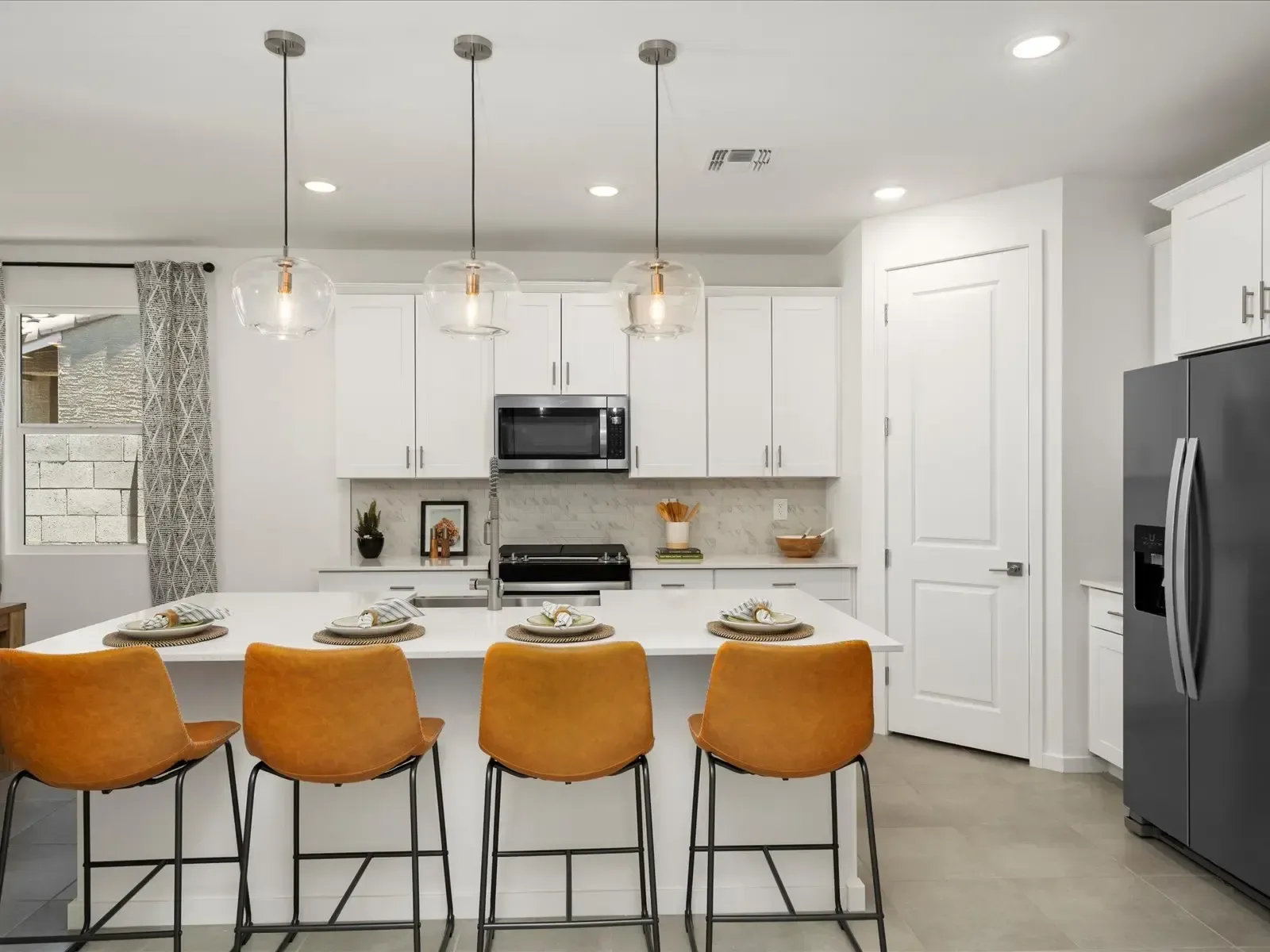
The upgrades that tend to matter are the ones buyers see first and judge quickly: a clean, neutral paint scheme, flooring in good condition, working fixtures, and a kitchen and bathrooms that look cared for. These are presentation items, and their job is to make the home easy to picture yourself in, not to promise a return.
Expensive remodels are a different decision. A full kitchen or bathroom remodel takes weeks, costs real money, and the payoff depends on your market, your price point, and how the finished result compares to the competition. In many cases the same budget spent on repairs, cleaning, staging, and photography does more for the showing. There is no universal answer, which is exactly why the tradeoffs deserve a conversation with someone who knows your local market.
Low-cost, high-visibility
- Fresh interior paint in neutral tones
- Clean or replaced flooring where worn
- Working light fixtures and door hardware
- Deep cleaning, decluttering, and staging
Bigger projects, bigger tradeoffs
- Full kitchen or bathroom remodels take weeks and real money
- Pool and landscaping work can be seasonal and slow
- Structural changes need permits and inspections
- Payoff varies by market, price point, and timing
How do you decide what to fix and what to leave?
Work from the inspection report and a simple ranking. Fix the items that affect safety, function, or water intrusion first. Then consider the presentation items that a buyer will judge in the first five minutes. Everything else becomes a disclosure item, a price conversation, or a credit negotiation, and your agent can help you weigh which path fits your market.
Time is a tradeoff too. A repair that takes six weeks can push your listing past a seasonal window. A quote that comes in far above the estimate should trigger a conversation about whether the fix is worth it or whether disclosing and adjusting price is the better move. There is no single right answer, which is why the decision framework matters more than any one number.
What should you verify before you spend?
Verify the numbers
Get written quotes for the same scope from at least two or three contractors, and confirm what each quote includes before comparing.
Verify the contractor
Check license and insurance through the Arizona Registrar of Contractors, and confirm permits are pulled and finaled for the work.
Verify the market
Ask your agent what similar homes in your price range actually show, and let comparables, not general advice, guide the upgrade list.
Before you spend: the verification checklist
- A written quote, not just an estimate, for any work over a few hundred dollars
- Contractor license and insurance verified through the Arizona Registrar of Contractors
- Permits pulled and finaled for any structural, electrical, plumbing, or mechanical work
- Receipts and warranty documents organized for recent repairs and replacements
- A home inspection or pre-listing inspection report to guide what to fix first
- A clear list of what you will fix, what you will leave, and why
- Disclosure documents ready for anything you know about the home's condition
Frequently asked questions
Will upgrades guarantee a higher sale price?
No. No upgrade guarantees a sale price, and honest preparation advice never promises one. Condition, pricing, market conditions, and buyer demand all shape the final number. The goal of preparation is to reduce objections and present the home well, not to promise a specific return.
What is the difference between an estimate and a quote?
An estimate is a contractor's approximation of what a job might cost. A quote is a written, itemized price for a defined scope of work, usually valid for a set period. For anything meaningful, get the quote in writing, confirm what it includes, and compare at least two or three before choosing.
Should I fix everything the inspection finds?
No. Inspections surface issues ranging from cosmetic to safety-critical, and sellers routinely fix the safety and function items while disclosing the rest. Work with your agent to decide what to repair, what to adjust in price, and what to disclose, based on your market and your timeline.
Do I need permits for upgrades?
Structural, electrical, plumbing, and mechanical work generally requires permits in Arizona, and the requirements vary by city. Unpermitted work can complicate a sale, so verify with your city's building department before you start and keep the finaled permits with your records.
Related resources
- Selling your home The full selling process, from preparation to closing, explained step by step.
- Compare selling options Full-service, flat-fee, cash offers, and more, with the tradeoffs of each.
- Market Launch Full-service representation with clear, upfront pricing for sellers.
- Renovate and Sell A seller option built around making strategic improvements before listing.
- Free market analysis A data-backed look at what your home could bring in the current market.
- Search homes Browse current Phoenix-area listings and compare homes in your market.
Educational note: this article explains how home preparation generally works. Repair and upgrade costs vary widely by home, market, contractor, and scope, and nothing here is a quote, an estimate, a price prediction, or a guarantee of any sale outcome. Verify current costs with licensed contractors and current market guidance with a local agent before you commit to any project.
Next step
Not sure what to fix before you list?
A strategy call with a local agent can turn an inspection report into a prioritized plan: what to fix, what to leave, and what to disclose. No pressure, just a clear order of operations.
- Phone
- 623-400-5957
- andrew@clearlysold.com