
Blog · Relocation
Remote Homebuying in Phoenix: Lessons and Due Diligence
Buying a Phoenix home from another state is possible, and it is not the same as buying it in person. This guide covers what remote tours can and cannot show, why an independent inspection is non-negotiable, how representation works from a distance, and the provider-specific checks that keep the process honest.
 By Andrew Texidor Realtor · Founder, Clearly Sold Updated October 7, 2026
The direct answer
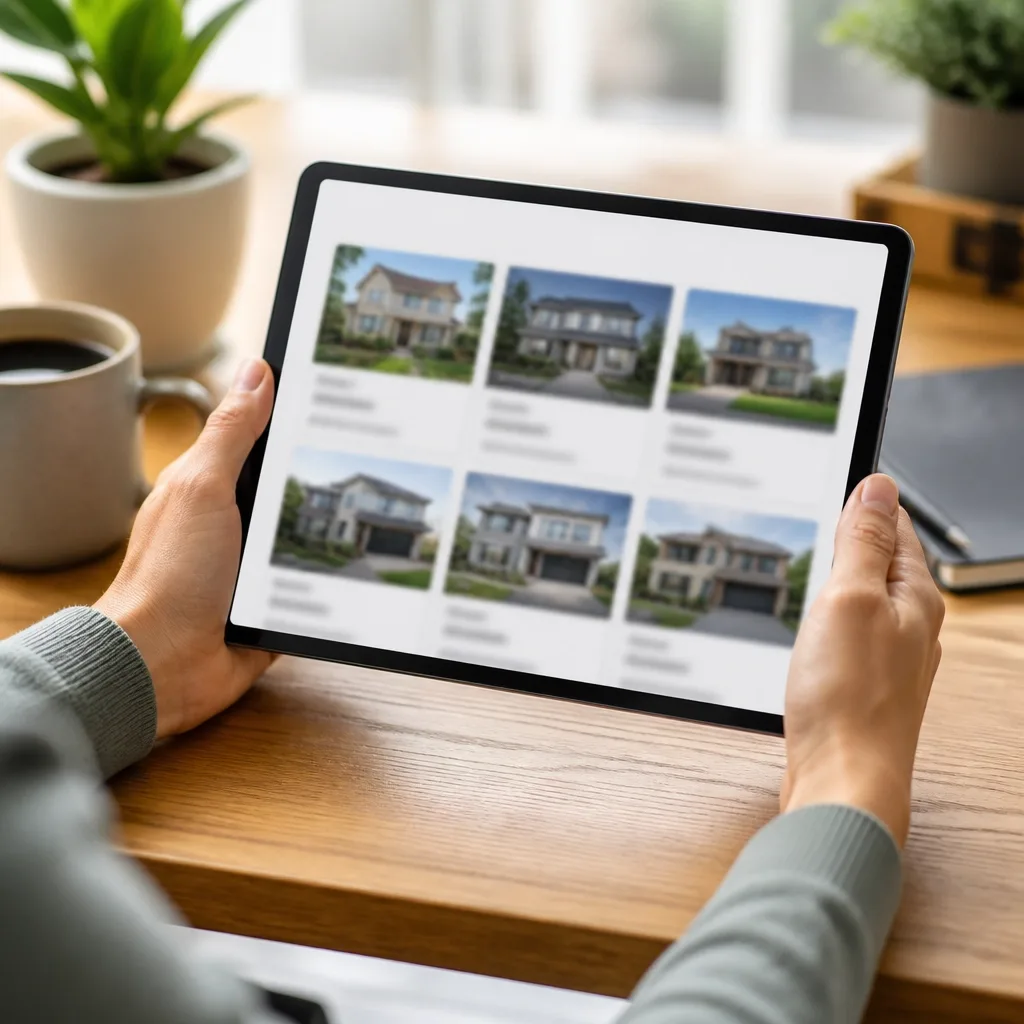
Remote homebuying in Phoenix works when the buyer treats video as a filter, not a verdict. The process runs on checks that can be done from anywhere: pre-approval, comparables, an independent inspection, the Seller's Property Disclosure Statement, HOA documents, and a local agent who knows the shortlist. It is not a no-stress or no-risk process, and no example in this article is a real client story; scenarios are labeled hypothetical where they appear.
Key takeaways
- Remote homebuying is a real process, but it is not a no-risk one. Video tours, photos, and floor plans describe a home; they do not prove its condition, its systems, or its neighborhood feel.
- An independent inspection is the single most important check a remote buyer can run, and it should be paired with a review of the Seller's Property Disclosure Statement and any seller-provided reports.
- Representation matters more from a distance, not less: a local agent who knows the shortlist, the market, and the inspection process closes the gap that video cannot.
- Every remote step is provider- and document-specific: e-signature, notarization, lender and title acceptance, and recording each have their own requirements and timelines.
- No example here is a real client story. Where a scenario is used, it is labeled hypothetical and built only to illustrate the checks a remote buyer should run.
What can a remote tour actually tell you about a home?
A good video tour shows layout, light, finishes, and flow. It can answer whether the kitchen opens to the living area, whether the bedrooms are separated, and whether the yard is usable. Those are real answers, and they are why video is a useful filter that narrows a long list quickly.
What video cannot reliably show is condition: the age of the roof, the state of the HVAC, drainage after a monsoon storm, water stains behind fresh paint, or the neighborhood at night. Wide lenses flatter small rooms, and a camera cannot feel the heat gain in a west-facing great room in July. Treat every tour as advertising for the property and every inspection as the truth-teller.
A live video walkthrough with your agent is stronger than a recorded tour, because you can ask for close-ups of specific areas: the water heater, the electrical panel, the attic access, the foundation line. Even then, it is a supplement to inspection, not a substitute for it.
Why is an independent inspection non-negotiable for a remote buyer?
The inspection is the one step that converts a video impression into a condition report. A licensed Arizona home inspector walks the property, tests systems, and documents findings, and in Arizona the due diligence window exists for exactly this. Remote buyers should ask for the inspection to be recorded or attended by their agent, and should read the report line by line rather than skimming the summary.
Pair the inspection with the Seller's Property Disclosure Statement and any seller-provided reports: roof, pest, pool, or other documents. Discrepancies between what the seller disclosed and what the inspector found are exactly the kind of evidence that should drive a renegotiation or a walk-away, and a remote buyer is more dependent on that paper trail, not less.
How does representation work when you are not in the room?
A local agent is the remote buyer's eyes and feet. The agent attends inspections, walks the neighborhood, reads the disclosures, checks the HOA documents, and translates the market into offer strategy. In Arizona, most buyers also sign a buyer representation agreement that documents how their agent is compensated; review it before you sign and ask what it covers.
Hypothetical example, not a real client: a buyer in another state narrows two homes from video, and the agent walks both streets at different times of day, reports that one backs to a busy arterial while the other sits on a quiet loop, and the buyer drops the first home before spending a dollar on inspection. That is the kind of local knowledge that video cannot supply and that makes representation worth more from a distance, not less.
What remote-process checks should you run before you commit?
Every remote step is provider- and document-specific. Confirm in writing, with the people handling your transaction, how each of these will work:
- Pre-approval in hand, with the rate hold and assumptions written down
- A written shortlist of two or three areas, with a reason for each
- Video tours of every candidate home, with a live walkthrough where possible
- An independent inspection by a licensed Arizona home inspector, attended or recorded
- The Seller's Property Disclosure Statement and any seller-provided reports reviewed in full
- HOA documents, fees, and rules verified for each community
- Lender and title company requirements for remote signing confirmed in writing
- An in-person visit scheduled near the end of the process for the judgment calls video cannot make
The wire-fraud warning belongs here too: never accept wiring instructions by email alone. Confirm them by phone using a number you looked up yourself, and verify the title company's identity before you send a dollar. Remote buyers are a favorite target because the distance makes the fraud harder to catch in time.
When should you still visit in person?
Near the end, if you can. The judgment calls video cannot make are exactly the ones an in-person visit settles: the feel of the block, the noise at night, the commute at rush hour, the sun on the patio at the time you will actually use it. Buyers who cannot visit should say so out loud and lean even harder on inspections, disclosures, and their agent's local knowledge.
A visit also protects the closing itself: walking the home one final time before the keys change hands catches the things no report can. Build the visit into the timeline early, because flight and schedule constraints are easier to plan around than to retrofit.
Frequently asked questions
Can I really buy a Phoenix home without visiting it?
Much of the process can run remotely: digital document review, video walkthroughs, local inspectors and appraisers, and an e-signature closing conducted by a title agency. What cannot run remotely is the physical judgment: the feel of a street, the noise at night, the sun on a backyard. Buyers who skip the visit entirely should expect to lean harder on inspections, disclosures, and a local agent.
What can a video tour not tell me?
Video flatters. It cannot reliably show water damage behind walls, the age and condition of a roof or HVAC, drainage after rain, neighborhood noise at night, or the actual drive time at rush hour. Treat video as a filter that narrows the list, then let inspections, disclosures, and an in-person visit do the confirming.
Do I need an inspection if the home looks great on video?
Yes. A home that photographs beautifully can hide expensive problems, and a home that photographs poorly can be a bargain. The inspection is the evidence that turns a video impression into a condition report. In Arizona, the due diligence window exists for exactly this, and skipping it removes your best protection.
How do I verify the neighborhood from a distance?
Combine sources: drive-time testing at the hours you will actually drive, local market data, HOA documents, and conversations with your agent who knows the area. Some buyers also schedule a scouting visit or ask their agent to walk the street at different times of day. No online source replaces the on-the-ground check.
Is remote closing guaranteed to work?
No. Whether a closing can be completed remotely depends on the lender, the title company, the documents, and the notary involved. E-signature and remote online notarization are available in Arizona under specific rules, but acceptance is not universal. Confirm every step in writing with the people handling your transaction.
Related resources
- Using virtual tours for a Phoenix relocation What video tours can and cannot show, representation, independent inspection, and the remote closing steps to verify.
- Remote real estate paperwork Signing, escrow, and closing from a distance: e-signature, notarization, and what to verify with each provider.
- Moving to Arizona: first 30 days A realistic first-month plan: pre-approval, community shortlist, HOA and financing checks, and the offer and closing process.
- Arizona home appraisal guide How appraisals work in financed purchases and what to verify with the lender.
- Contingency planning for a Phoenix purchase Financing, appraisal, inspection, sale-of-home, and title contingencies with checkpoints.
- Relocation guidance Buying from a distance: how the remote and in-person pieces fit together.
- Search homes Browse current Phoenix-area listings and save the ones that fit.
Educational note: this article explains how remote homebuying generally works. No example in this article is a real client story; scenarios are labeled hypothetical. Market conditions, mortgage rates, fees, and program terms change and vary by lender, county, community, seller, and transaction. Nothing here is a loan quote, an inspection, an appraisal, a price prediction, or a guarantee of any outcome. Confirm current requirements with your lender, your title company, and your inspector before you commit.
Next step
Build the remote-buying checklist with someone local
A strategy call maps your timeline, your shortlist, and the inspection and closing checks that protect a distance purchase. No pressure, no promises, just a plan you can verify.
- Phone
- 623-400-5957
- andrew@clearlysold.com