
Blog · Relocation
Using Virtual Tours for a Phoenix Relocation
Video walkthroughs, live tours, and 3D views make a Phoenix search possible without a plane ticket, but they are a first filter, not a substitute for due diligence. Here is what virtual tours can do, what the camera hides, and which steps still happen in person and with verification.
 By Andrew Texidor Realtor · Founder, Clearly Sold Updated October 7, 2026
The direct answer
Virtual tours are excellent at one job: narrowing a long-distance shortlist by showing layout, light, condition, and finish, and by letting an agent show you the details you ask for in real time. They do not do the other jobs: they do not establish condition behind surfaces, they cannot convey the feel of a neighborhood, and they do not replace an independent inspection or the verification steps in financing, title, and closing. Used that way, with each remote step confirmed in advance with the people who run it, virtual tours make a Phoenix relocation practical rather than risky.
Key takeaways
- Virtual tours narrow the list; they do not complete the due diligence. Video shows you enough to decide what to investigate further, not enough to skip the inspection and the verification steps.
- Know what the camera cannot show. Lens distortion, lighting, framing, and footage age all change what you see, and no tour conveys texture, smells, noise, or the feel of a street.
- Representation still matters at a distance. A buyer's agent can verify details in person on your behalf, and the representation agreement covers how that works and how the agent is compensated.
- Inspection is independent and local. A licensed inspector visits the home; you can attend by video and review the report, but the tour never replaces the inspection.
- Closing from a distance is possible but not automatic. E-signature, remote and in-person notary options, and the title company's identity verification all follow the current requirements of your lender and closing agent, confirmed early.
- No tour, video, or remote process removes the risk from a purchase or guarantees a remote close. Verify each step with the people who actually run it.
What can a virtual tour actually do for you?
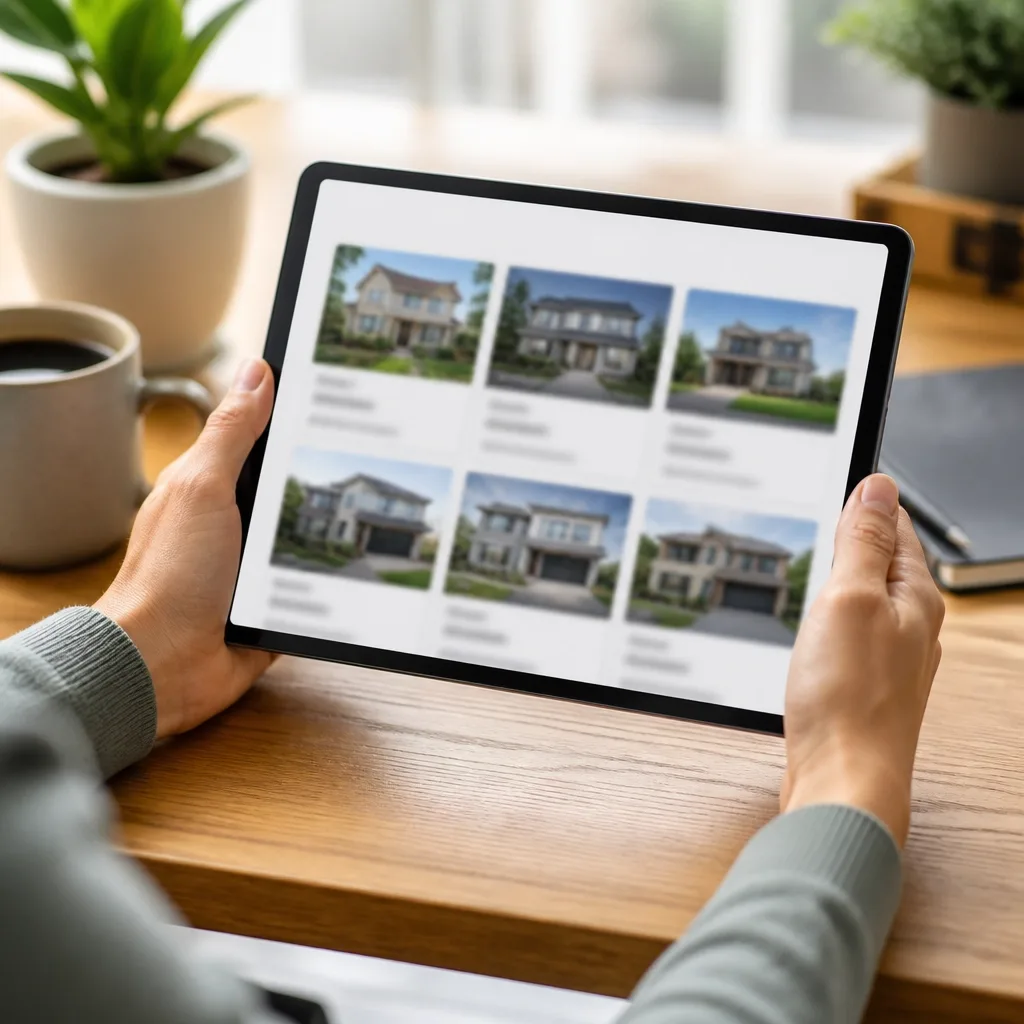
The honest job description: a virtual tour filters. A prerecorded walkthrough shows the layout and the visible condition well enough to cut a long list of dozens down to a few. A live video tour is stronger, because you direct the camera to the rooms and angles that matter to you, watch how the agent answers questions, and get a sense of proportion that still photos flatten.
That is a real and valuable capability, and it is worth building a system around: tour everything on your shortlist, take notes tied to the same checklist you would use in person, and let the tours set up the list of homes you will actually inspect and, if it works, visit.
What are the camera and coverage limitations?
Every lens has limits. Wide-angle video makes rooms look larger and can distort proportions; the footage is only as current as its filming date; and lighting, phone batteries, and the tour route all decide what gets shown. A camera cannot convey the smell of a room, the noise from a street, the feel of a flooring surface, or the temperature of a wall.
Treat tour footage as a curated view, not a record. Ask when it was filmed and whether it reflects current condition, and keep a running list of anything the tour could not show you, because that list is exactly what your agent verifies in person and the inspector looks at on site.
How does representation work when you are remote?
Your representation is the same contract with a different logistics plan. A buyer's agent with local knowledge verifies the details video cannot: streets, noise, orientation, HOA realities, and the seller's disclosures. Remote clients typically sign a buyer representation agreement that documents how the agent is compensated, and the agent's job includes showing the property live, checking specifics in person, and coordinating the local professionals.

No one claims a tour replaces this step; representation is who watches out for your interests when you are not in the room, and the agreement is where that scope is written down.
How does inspection work on a remote purchase?
The inspection is local and independent, full stop. A licensed inspector visits the home, runs the systems, and writes a report with photos, and remote buyers commonly attend by video while the inspector walks the home. Your job is to read the report with your agent, ask the inspector follow questions, and decide how the findings affect the offer on the contract's timetable.
A video tour and an inspection are different products: one is curated marketing footage, the other is an independent condition report. Nothing in the tour section of this article replaces the inspection section.
What about signing, notary, and closing from a distance?
Much of a remote close runs through e-signature platforms and a title agency that manages identity verification and the funding sequence. Whether every step can be done remotely, and which documents require a notary and in what form, is set by your lender, the title company, and current Arizona practice at the moment of your closing, so those specifics are confirmed early with the people running them, never assumed from an article.
A remote close is also not automatic. Some transactions need an in-person step, and the plan should include what happens if one is required. This is a logistics question with a definite answer per transaction; get it in writing before you commit to a closing date.
The remote relocation checklist
- A current pre-approval and a timeline confirmed with your lender before you tour remotely
- Tour footage checked for its date and whether it reflects current condition
- A written list of what the tour could not show, verified in person by your agent
- A buyer representation agreement reviewed and signed, with compensation understood
- A licensed local inspector scheduled inside the inspection window
- The title company's remote signing and identity verification process confirmed in writing
- A contingency plan if an in-person step is required at closing
Frequently asked questions
Can I buy a Phoenix home without ever visiting it?
Many remote buyers complete purchases, and the process has real structure: virtual tours to shortlist, an independent local inspection, a trusted agent verifying details in person, and remote signing and closing steps run by the lender and title company. Whether it works for you depends on your tolerance for the unknowns a visit would resolve, and on confirming the current signature and notary requirements with your closing team before you commit.
How do I know the video I am watching is current?
Ask. Listing photos and videos carry dates in the listing data, and a good agent can tell you when footage was taken and whether it reflects the current condition. Any video that is more than a few weeks old, or that was shot before repairs or updates, should be treated as archival, not current.
Do I still need a home inspection if I did a video tour?
Yes. A video tour shows visible condition from the camera's angle; an inspection looks behind surfaces, tests systems, and reports on structure, safety, and compliance. The two are different products that serve different purposes, and the inspection is the one that protects you.
Related resources
- Relocation guidance How the remote and in-person pieces of a Phoenix purchase fit together.
- First 30 days home search guide Pre-approval, shortlists, and touring, including how video fits before you visit.
- Arizona PCS relocation guide A practical PCS checklist for buyers coordinating a move and housing at the same time.
- Search homes Browse current Phoenix-area listings and save the ones that fit.
- Buyer resources The whole buyer process, with the inspection and closing sequence in place.
- Contact us Ask how remote showings, inspections, and closing steps work for your situation.
Educational note: this article explains how virtual tours and remote buying generally work. Remote tour options, inspection availability, and signing and closing procedures vary by lender, title company, and transaction, and they change over time. Nothing here claims tours replace due diligence, eliminate stress, or guarantee a remote closing, and no concierge service is described because none is offered. Confirm current procedures with your lender, title company, and closing agent.
Next step
Searching Phoenix from a distance?
We can set up live video tours, verify the details the camera misses, and walk you through the inspection and closing steps for remote buyers before you commit to anything.
- Phone
- 623-400-5957
- andrew@clearlysold.com