
Blog · New Construction
Phoenix New Construction and Older Homes: Condition and Cost Tradeoffs
The choice between a brand-new Phoenix home and a 2005-era resale is not a choice between perfect and broken. Both are judged on the same evidence: condition, maintenance history, remaining useful life, inspections, and warranties, added up into a total ownership-cost estimate with its assumptions shown.
 By Andrew Texidor Realtor · Founder, Clearly Sold Updated October 7, 2026
The direct answer
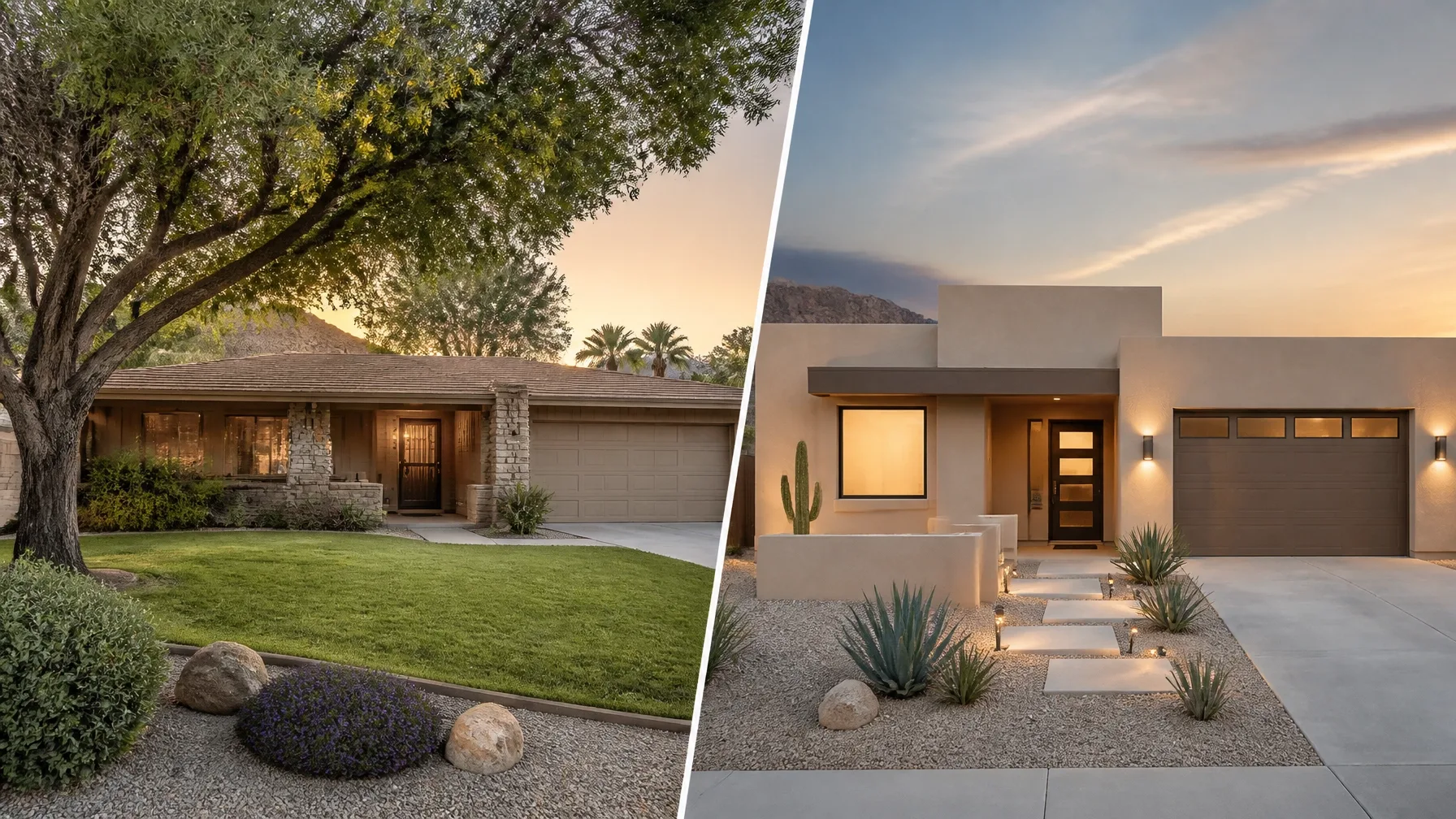
New construction and a 2005-era home are not two versions of the same product. A new home brings untouched systems and a builder warranty, but also construction-phase risk and total-cost items like taxes and assessments that are easy to undercount. A 2005-era home brings a maintenance history you can read, replaced components you can verify, and a disclosure that a builder warranty will not replace. Both should be inspected, both have honest tradeoffs, and the real comparison is a labeled ownership-cost estimate, never an age-based verdict.
Key takeaways
- Age is not condition. A 2005-era home can be updated and meticulous; a brand-new home can have defects. Both are judged on evidence: records, inspections, and a walkthrough.
- New does not mean defect-free. New construction gets inspections too, ideally during the building phases when issues are cheapest to fix.
- Compare the useful-life ledger. Roofs, ACs, water heaters, pool equipment, and other components have expected life spans; what has been replaced and when changes the real cost picture.
- Warranties differ by type and term. Builder warranties cover defined items for defined periods, and resale homes are typically sold with the condition disclosed, not a warranty.
- Total ownership cost is an estimate with labeled assumptions. Price, taxes and CFDs, insurance, utilities, HOA, and a maintenance reserve add up differently for every home, and no one can guarantee the future numbers.
Why is "built in 2005" not a condition verdict?
The year on the permit says when the home was built, nothing more. Two homes from the same 2005 year can be opposites: one with the original AC, water heater, and tile roof quietly aging; the other with replaced systems, updated finishes, and a documented maintenance file. Build quality also varied by builder and phase within that era, and Arizona summers are hard on systems no matter what year they were installed.
So the 2005 label is a starting point for questions, not a conclusion. What has been replaced, when, and with what; what has been serviced and can the receipts prove it; what the inspection finds when it looks behind the fixtures. Those answers decide condition.
What does new construction honestly offer?
The appeal of new is real: everything is untouched, the systems are at the start of their useful life, and the buyer gets to select finishes in many communities. Builder energy features vary by builder, plan, and lot, so they belong on a comparison sheet, attribute each feature to what the builder actually offers for that plan rather than assuming it applies to every new home.
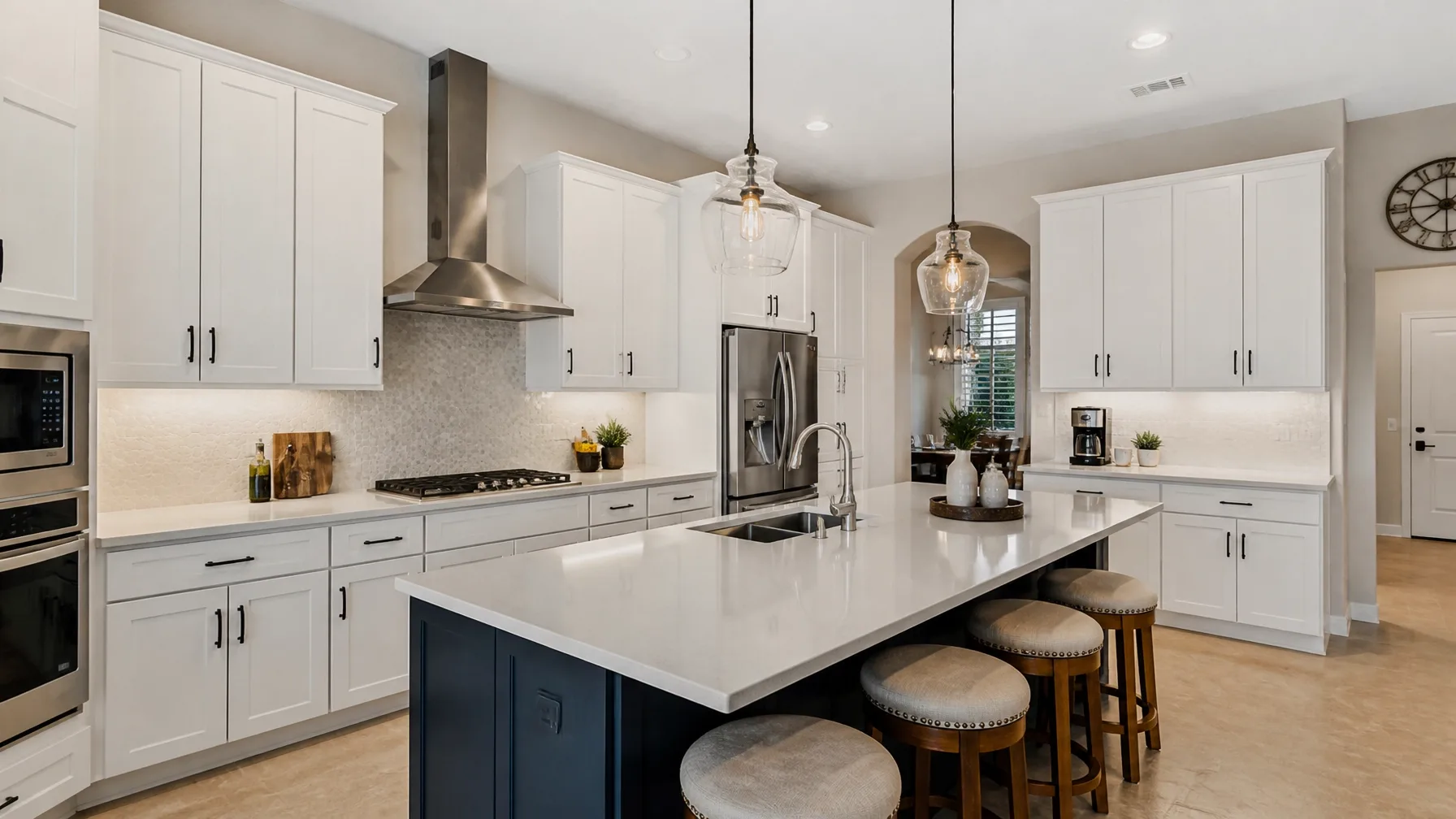
The honest counterweights: new construction is not defect-free, builder warranties cover a defined list for a defined period with a claims process, and the total cost line includes items resale buyers often skip, such as HOA and community facility district assessments in new master-planned areas. Builder incentives are a financing and pricing comparison of their own, separate from the quality of the home.
What does a 2005-era home honestly offer?
An older home's advantage is information. Its maintenance history exists, its replacements are documented or discoverable, and the seller's disclosure tells you what the current owners know. That is real value in a decision that new construction asks you to trust forward instead.
Its honest cost is in the ledger of remaining useful life. A roof, an AC compressor, a water heater, and pool equipment each have expected life spans in this climate, and the one that is already near the end of its life is a near-term cost line, whether it is 21 years old or 2. The resale home is also typically sold as-is with the condition disclosed rather than with a builder warranty, so the inspection carries more weight.
How do you compare condition fairly?
Same evidence and same tools for both. An independent inspection for the resale home, including the roof and HVAC; for new construction, inspections during the build phases and before the final walkthrough, because a warranty is a repair promise, not a construction inspection. Compare seller-provided reports and disclosures against the inspector's findings, and ask for the maintenance and replacement records for the older home and the builder's warranty document for the new one. Inspections are not pass-fail verdicts; they are lists of facts priced by a qualified professional.
What is the honest total ownership-cost comparison?
The only fair comparison is one labeled estimate per home with the same line items: purchase price; property taxes plus any community facility district assessment; insurance; utilities; HOA fees; and a maintenance reserve scaled to each home's systems. Estimates, not promises: the future numbers for insurance, utilities, and maintenance cannot be guaranteed, and a good comparison says so under each line.
Two houses, same list of lines, same assumptions, one honest note about which numbers are quotes and which are estimates. That is the document that turns "new versus 2005" from a slogan into a decision.
The comparison at a glance
New construction
- Systems at the start of their useful life and finishes you can often select.
- A builder warranty with a defined scope, term, and claims process.
- Construction-phase risk, so inspections during the build and at walkthrough matter.
- Total-cost lines like taxes and CFDs that are easy to undercount.
2005-era resale
- A readable maintenance history and documented replacements.
- A seller's disclosure that tells you what the owners know.
- Remaining useful life of the roof, AC, and water heater as near-term cost lines.
- Sold as-is with condition disclosed; the inspection carries the weight.
Frequently asked questions
Is a 2005 home automatically in worse condition than a new home?
No. Homes built in 2005 range from original and untouched to fully updated, and condition tracks maintenance and renovations far more than it tracks the year. A well-maintained 2005 home with a documented roof and AC replacement can be in better practical shape than a brand-new home with construction defects. Evidence, not the year, is the test.
Should I inspect a new home if it comes with a builder warranty?
Yes. A warranty defines what the builder will repair and for how long; it does not guarantee the home was built perfectly. Independent inspections during construction phases and before the final walkthrough catch issues while they are easiest to address, and warranty coverage has deadlines, exclusions, and an arbitration or claims process that is worth reading before you close.
How do I compare the real cost of new versus a 2005-era home?
Build one labeled estimate for each home: purchase price, property taxes and any community facility district assessments, insurance, utilities, HOA fees, and a maintenance reserve scaled to the age and condition of the systems. Estimates, not promises, are the point, and the assumptions behind each line should be written down so the two homes are compared fairly.
Related resources
- Do I need a Realtor for new construction? Registration timing, representation, and the questions to ask the builder, with no endorsement claims.
- Age and condition as budget lines Deferred maintenance and remaining useful life treated as separate, verifiable budget items.
- Arizona home selling options How the broader seller process frames condition, improvements, and pricing.
- Buyer resources The buyer process, financing, and the inspection sequence for both new and resale homes.
- Resource library Warranties, builder incentives, CFDs, and the details that separate new from resale.
- Free Market Analysis A property-specific value estimate that reflects condition, not just age.
Educational note: this article compares new construction and 2005-era homes generally; no claim here applies to every home of either kind. Condition varies by property, builder features vary by plan, and all ownership-cost figures are estimates with assumptions attached, not quotes or guarantees of price, appreciation, or performance. Verify each home with inspections, written records, and the seller's or builder's documents.
Next step
Comparing a new home against a resale?
We can walk both cost estimates line by line and book the inspections that turn the comparison into facts. New or resale, the decision should rest on evidence, not the year.
- Phone
- 623-400-5957
- andrew@clearlysold.com