
Blog · Selling a Home
Before you chase a cash offer: what Arizona sellers should know
Cash offers sell speed and certainty, and they cost something for it. This guide separates the real tradeoffs from the hype: when a cash offer genuinely makes sense, what it actually trades, what to verify before you accept one, and how to compare cash, financed, and listing strategies on the same page.
 By Andrew Texidor Realtor · Founder, Clearly Sold Updated October 7, 2026
The direct answer
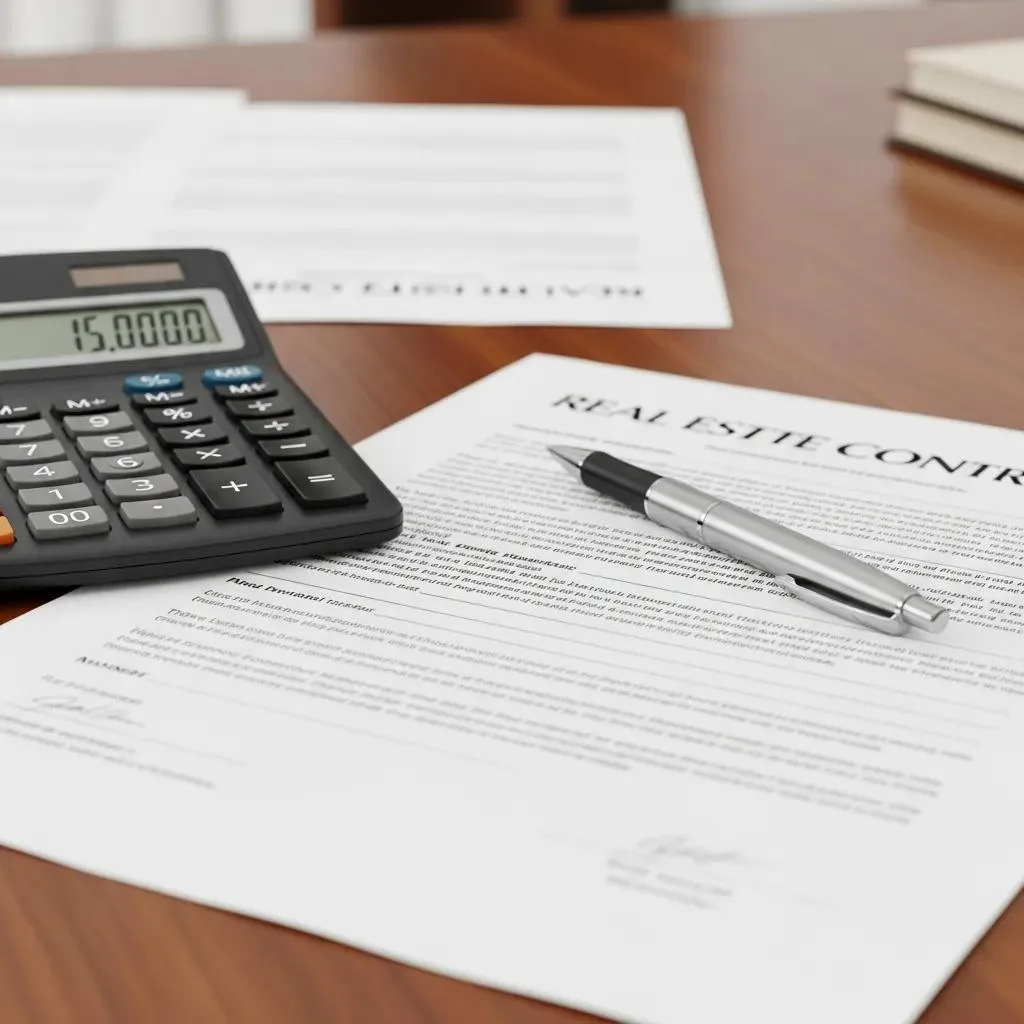
A cash offer is a legitimate, sometimes excellent choice: it can close far faster, remove the financing chain entirely, and suit homes that need work. Its real cost is usually price, and sometimes terms. The honest decision method is a net sheet, not a reaction: compare the cash offer's net proceeds against the comparable-based estimate of what a traditional market campaign could return, add the timeline and certainty each path offers, and then decide which trade you prefer. Verify proof of funds, contingencies, and closing terms in writing before you commit to anything.
What a cash offer genuinely trades
- Speed and certainty are the genuine advantages: cash removes the financing chain entirely, so the closing timeline can be far shorter and much less exposed to lender delays
- Price is the main tradeoff: cash buyers, especially investors, typically negotiate a lower purchase price than a competitive financed buyer might pay
- Net proceeds, not the offer amount, is the comparison that matters: fees, repairs, and carrying costs land differently across strategies
- Condition matters: a home that needs work often attracts more cash interest because the buyer is pricing in the work, not discounting randomly
- Terms beyond price decide the real value: proof of funds, earnest money, contingencies, closing date flexibility, and any non-refundable deposit
When does a cash offer actually make sense?
Cash starts making sense when speed or certainty is the point of the sale. A fixed move date, a job transfer, a pause in the listing market, or a home that needs enough work that financed buyers will not compete on it: these are situations where the cash buyer is paying for what you actually need. It also makes sense when the carrying cost of a longer timeline, taxes, insurance, and upkeep, exceeds the price difference the cash offer represents.
When should you think twice?
Think twice when the offer's only feature is the word cash, when the buyer resists documentation, when the contract asks for a large non-refundable deposit with vague terms, or when the claimed timeline is not written into the contract. Think twice when the price seems designed to feel urgent rather than to be compared. And think twice when a cash offer is positioned as a way to avoid doing any of the work of a normal sale: the work of verifying the buyer and reading the contract is exactly the same, cash or not.
Cash offers fit well when
- Speed is the priority: a fixed move date or a pause in the financing market.
- The home needs work that financed buyers will shy away from.
- Carrying costs of a longer timeline outweigh the net-price difference.
Cash offers fit less well when
- Maximizing net proceeds is the goal and the home is in strong market condition.
- The buyer resists proof of funds or the contract carries vague contingencies.
- The offer is pressure, not paper: urgency without documentation.
How do you compare a cash offer against everything else?
The comparison runs on one sheet: net proceeds. Start with a comparable-based estimate of what the home could sell for through a normal listing, subtract the listing fees and closing costs, and get the expected net over a realistic timeline. Then run the cash offer: the offer price minus the cash program's fees and any concessions. The difference is the price of speed and certainty, and it belongs in the decision as a real number, not as a slogan.
Terms then decide between paths that net close: earnest money, contingencies, closing date flexibility, and the buyer's record. Two offers can net the same on paper and differ enormously in what the contract actually requires, which is why the contract review, not the handshake, is where the choice gets made.
What should you verify before accepting a cash offer?
None of these steps are negotiable courtesies; they are the difference between a real offer and a marketing piece. A professional who explains which document is the authority for each item is doing the job right. Anyone who treats proof of funds or contract review as an obstacle is telling you what you need to know.
Frequently asked questions
Is a cash offer always faster?
Usually on the financing side: there is no lender underwriting, appraisal chain, or loan contingency, so the closing can be scheduled far sooner than a typical financed closing. But the total timeline is set by the contract, and a cash buyer can still negotiate a long close. Verify the promised timeline in writing before assuming speed.
Do cash offers always pay less than financed offers?
Often, but not always, and no generalization is a rule. Cash buyers are paying for certainty and speed, and they commonly negotiate from a lower number; a financed buyer in a competitive market can end up paying more. The honest answer for your home comes from comparing the actual offers in front of you on a net sheet, not from a rule of thumb about either type.
When does a cash offer make the most sense?
When speed or certainty is the priority: a fixed move date, a home that needs work most buyers will not touch with financing, or a market where holding the listing costs more than the price difference. It makes less sense when maximizing proceeds is the goal and the home is in strong condition for a traditional market. Neither answer is universal, which is why the decision is made from the numbers, not the label.
How do I know a cash buyer is real?
Proof of funds, in writing, before you negotiate seriously: bank or brokerage statements on the buyer's own accounts showing the funds for the purchase price. Confirm who the buyer is and their record on other closings, and have the contract reviewed the same way you would review any offer, including contingencies and non-refundable deposits. A real buyer is happy to document their funds; pressure to skip that step is its own answer.
Should I accept a cash offer without listing the home?
That is the core tradeoff of an off-market cash sale: you trade the exposure and competition of a listing for the speed and privacy of a direct sale. The price you would have gotten in a full market campaign is unknown until you run one, which is exactly why the honest framing is to compare the cash offer against a comparable-based estimate of the listing path, including costs and timeline, before choosing which risk you prefer.
Related resources
- Cash offers & Cash Offers+ How cash and hybrid cash offers work within Clearly Sold's seller strategies.
- Compare all seller options Every strategy side by side: service, price path, and tradeoffs.
- Market Launch Full-service representation with a defined launch plan and clear pricing.
- Free market analysis The comparable-based starting point for comparing any offer.
- Arizona selling options guide The full strategy library explained, including where cash offers fit.
- Seller solutions The whole menu of ways to sell a home in Arizona.
Educational note: this article explains how cash offers generally work in Arizona and is not a promise of any price, timeline, or outcome. Cash offer programs, terms, and fees change and vary by provider and transaction. No general claim here can tell you what a specific home would bring through any strategy; that number comes from recent comparable sales and a net sheet computed for your address. Review every contract, including non-refundable deposit and contingency terms, with the appropriate professionals before signing, and verify proof of funds in writing before taking a home off the market.
Next step
Put the cash offer on the same page as everything else
Bring the offer and your address. We will build the net sheet, pull the comparable-based estimate for the listing path, and read the contract terms together so the trade is a decision you make, not a pitch you receive.
- Phone
- 623-400-5957
- andrew@clearlysold.com