
Blog · Buying a Home
Community Facilities Districts: Verrado and Phoenix Metro
What a Community Facilities District is in Arizona, how CFD assessments work in Verrado and Phoenix Metro, and how to verify parcel-specific taxes, bond schedules, and balances.
 By Andrew Texidor Realtor · Founder, Clearly Sold Updated October 8, 2026

The direct answer
In Arizona, a Community Facilities District (CFD) is a special-purpose, tax-levying public improvement district created under state law to finance public infrastructure, not a financial derivative. A CFD assessment is an ad valorem property tax levy billed by the county treasurer, separate from HOA dues. Whether a property is inside a CFD, and the exact annual assessment, depends on the parcel and the district, so verify parcel by parcel with the city, the county treasurer, the title company, and the district's official documents.
Key takeaways
- In Arizona, a Community Facilities District (CFD) is a special-purpose, tax-levying public improvement district created under state law to finance public infrastructure, not a financial derivative. It is a separate political subdivision that levies taxes and issues bonds.
- A CFD assessment is an ad valorem property tax levy billed by the county treasurer on the annual property tax bill, and it is separate from HOA dues and other community fees.
- Whether a specific property is inside a CFD, and the exact annual assessment, depends on the parcel and the district. Use the city's CFD map, the county assessor's parcel search, and the CFD disclosure document to verify.
- There is no universal rule for when a CFD assessment expires, is paid off, or transfers. Bond schedules, balances, and payoff rules vary by district and are set out in the district's official documents.
- This article is not tax or legal advice. Confirm the specifics for any parcel with the city, the county treasurer, the title company, and your own advisers.
What is a Community Facilities District?
A Community Facilities District (CFD) is a special-purpose, tax-levying public improvement district authorized under Arizona law. A developer typically petitions the city to create a CFD early in a community's development to finance public infrastructure, such as roads, water lines, sewer, and parks, before enough tax base exists to pay for it. The district levies taxes and issues bonds independently of the city, and it is a separate political subdivision, not a financial derivative.
The assessment is an ad valorem property tax levy billed by the county treasurer on the annual property tax bill. It is separate from HOA dues, which are set by the homeowners association for common areas and amenities. Both can apply to the same property, and they are different obligations.
How do CFDs work in Verrado and Phoenix Metro?
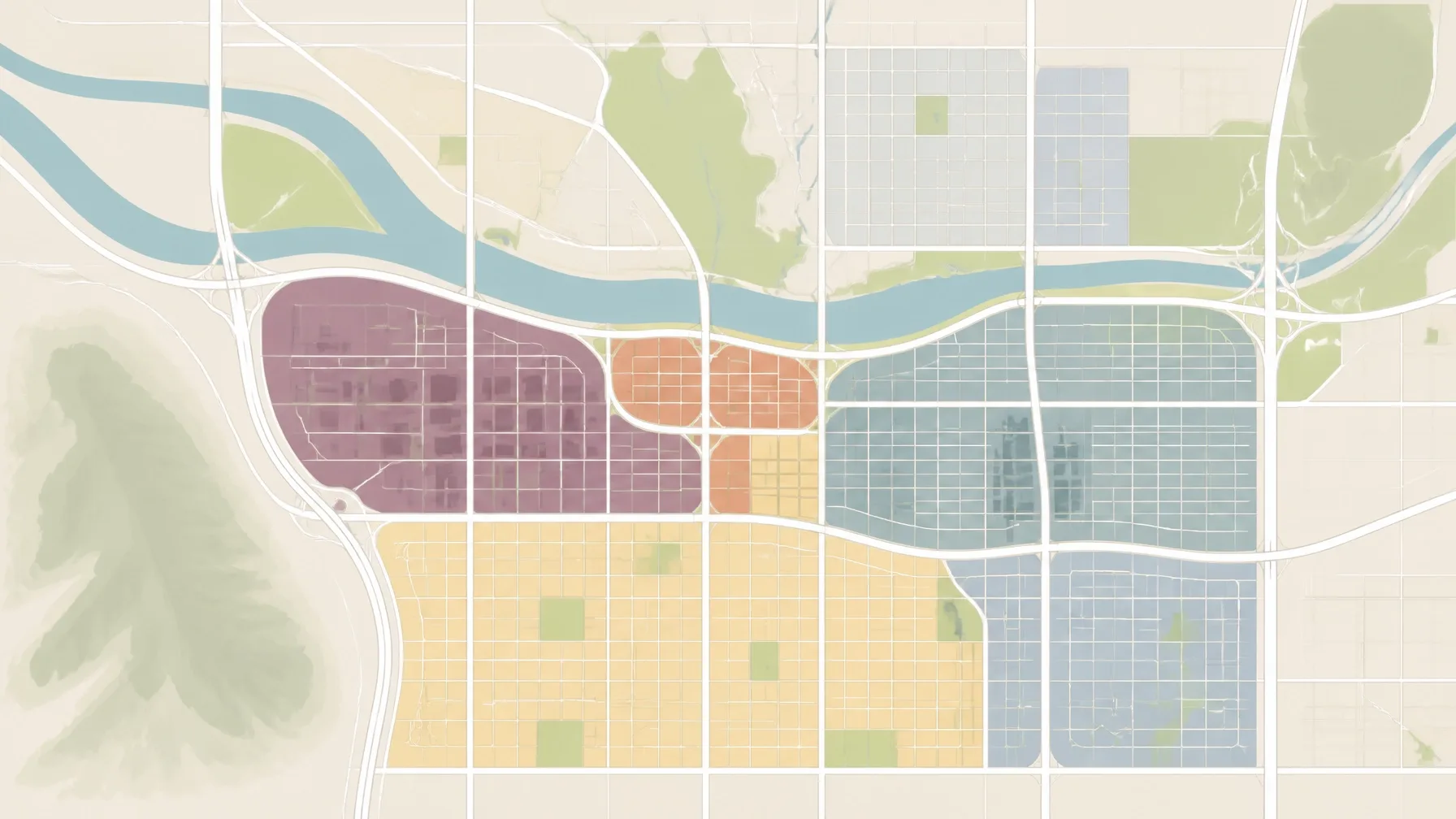
Verrado, the master-planned community in Buckeye, has CFD districts established by the City of Buckeye, including Verrado District 1 and a western overlay district. Parts of Phoenix Metro use CFDs as well. Each district has its own official records, bond schedules, and assessment structure, and the per-parcel assessment follows the district's bond amortization schedule over time.
There is no universal rule for when a CFD assessment expires, is paid off, or transfers. Bond schedules, balances, and payoff rules vary by district and are set out in the district's official statements and the retail buyer disclosure. Whether an assessment must be paid in full at sale or refinance depends on the specific district and the lender or title company.
What should you verify for a specific property?
- Whether the property is actually inside a CFD, using the city's CFD map and the county assessor's parcel search.
- The exact annual assessment and bond schedule for that parcel, from the CFD disclosure document and the title company.
- Where the CFD charge appears on the property tax statement, confirmed before closing.
- Whether the assessment is a lien that must be paid off at sale or refinance.
- That the CFD tax is separate from HOA dues and other community fees.
This article is not tax or legal advice. Confirm the specifics for any parcel with the city, the county treasurer, the title company, and your own advisers, because the governing documents for each district are the authority.
Frequently asked questions
What is a Community Facilities District in Arizona?
A Community Facilities District (CFD) is a special-purpose, tax-levying public improvement district created under Arizona law to finance public infrastructure such as roads, water lines, sewer, and parks. It is a separate political subdivision that levies taxes and issues bonds, and it is not a financial derivative or a form of HOA.
How is a CFD assessment different from HOA dues?
A CFD assessment is an ad valorem property tax levy billed by the county treasurer on the annual property tax bill, while HOA dues are a separate charge set by the homeowners association for common areas and amenities. They are different obligations with different legal bases, and both can apply to the same property.
How do I know if a property is in a CFD?
Verify parcel by parcel. Use the city's CFD interactive map, the county assessor's parcel search, and the CFD disclosure document for the specific property. The exact annual assessment and bond schedule come from the district's official documents, the title company, and the county treasurer.
Does a CFD assessment ever expire or transfer?
There is no universal rule. Bond schedules, balances, and payoff rules vary by district and are set out in the district's official statements and the retail buyer disclosure. Whether an assessment must be paid in full at sale or refinance depends on the specific district and the lender or title company. Confirm the specifics for your parcel.
What is the timeline for a CFD?
A CFD is typically created early in a community's development, when a developer petitions the city to finance infrastructure before enough tax base exists. The district then levies taxes and issues bonds, and the per-parcel assessment follows the district's bond amortization schedule over time. The exact timeline and amounts are set out in the district's official records.
Related resources
- Victory at Verrado guide The active adult enclave inside the Verrado master plan: rules, fees, and lifestyle.
- Arizona middle housing rules What ARS 9-462.13 requires of qualifying cities and the parcel-level facts to verify.
- Goodyear development projects Operating, under construction, and announced projects with primary sources.
- Community guides The full directory across the West Valley.
- Buyer resources The whole buyer process in one place.
- Search homes Browse current listings across the West Valley.
Educational note: CFD status, assessments, bond schedules, balances, and payoff rules vary by district and parcel and change over time. Nothing here is tax or legal advice, and none of it is a universal rule for any district. Confirm the specifics for any parcel with the city, the county treasurer, the title company, and your own advisers.
Next step
Buying in a master-planned community?
CFD assessments, HOA fees, and the real cost of a home are separate questions. A strategy call sorts out which fees apply to your shortlist and what to verify before closing.
- Phone
- 623-400-5957
- andrew@clearlysold.com