
Blog · Relocation
Relocation buyers are still watching Arizona
Out-of-state buyers continue to weigh Arizona, and the reasons are durable: climate, lifestyle, and a housing mix that answers specific priorities. This guide separates the verifiable facts from the promotional story, and gives distant buyers a process for testing the fit before they commit.
 By Andrew Texidor Realtor · Founder, Clearly Sold Updated October 7, 2026
The direct answer
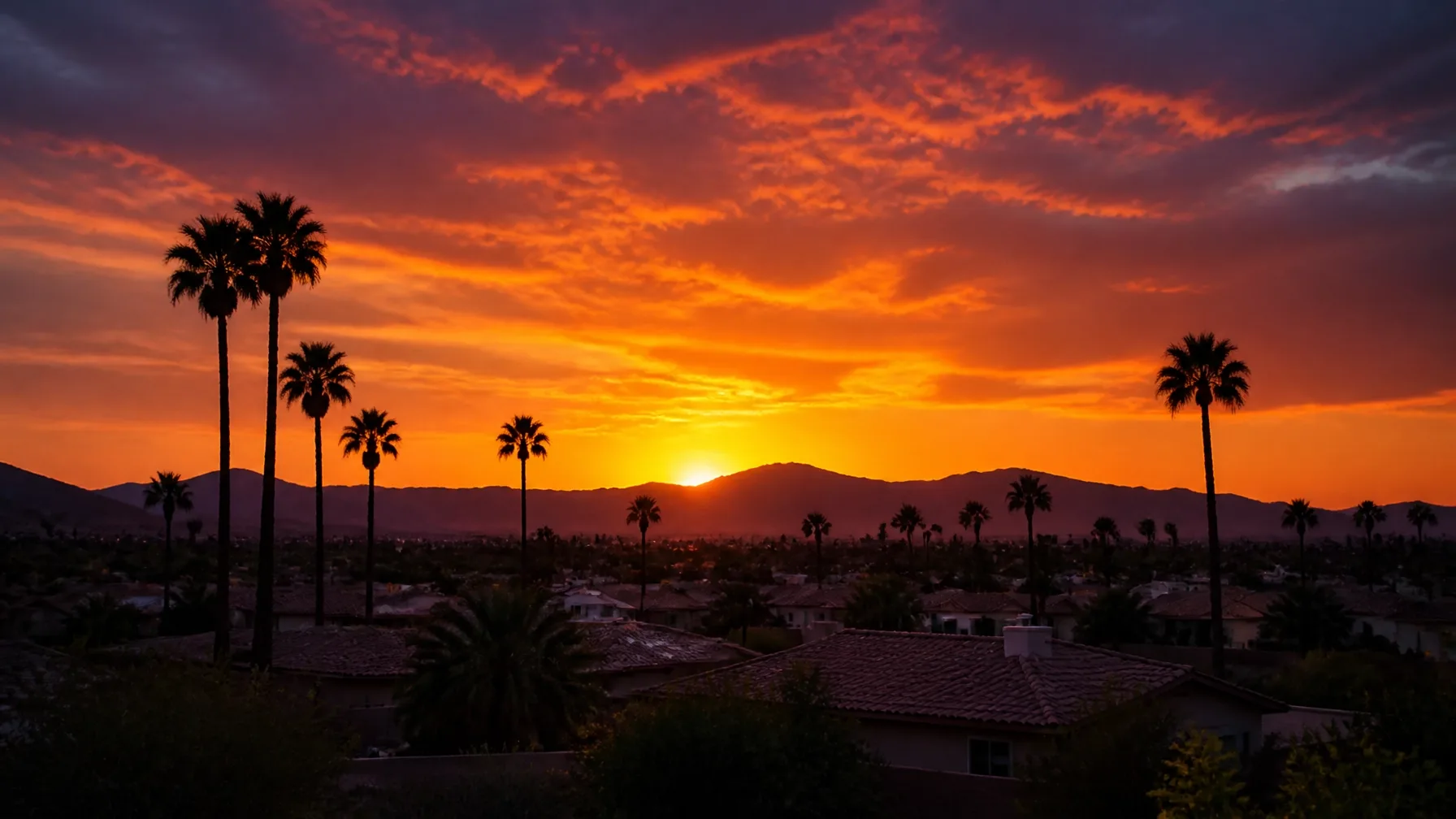
Yes, relocation interest in Arizona remains broadly steady, and the honest reasons are not hard to find: a warm, dry climate, a recreation-rich lifestyle, and a housing mix that ranges from single-story desert homes to master-planned and active adult communities. Census figures document decades of population growth, including into the 2020s. Whether Arizona fits you depends on the specifics, which is exactly why the useful version of this conversation is a checklist, not a cheer.
Why out-of-state buyers look at Arizona
- Climate and seasons: sunny weather, mild winters, and a dry desert climate that many out-of-state buyers are looking for
- Lifestyle and recreation: mountain trails, lakes, golf, and year-round outdoor activity across the metro and northern Arizona
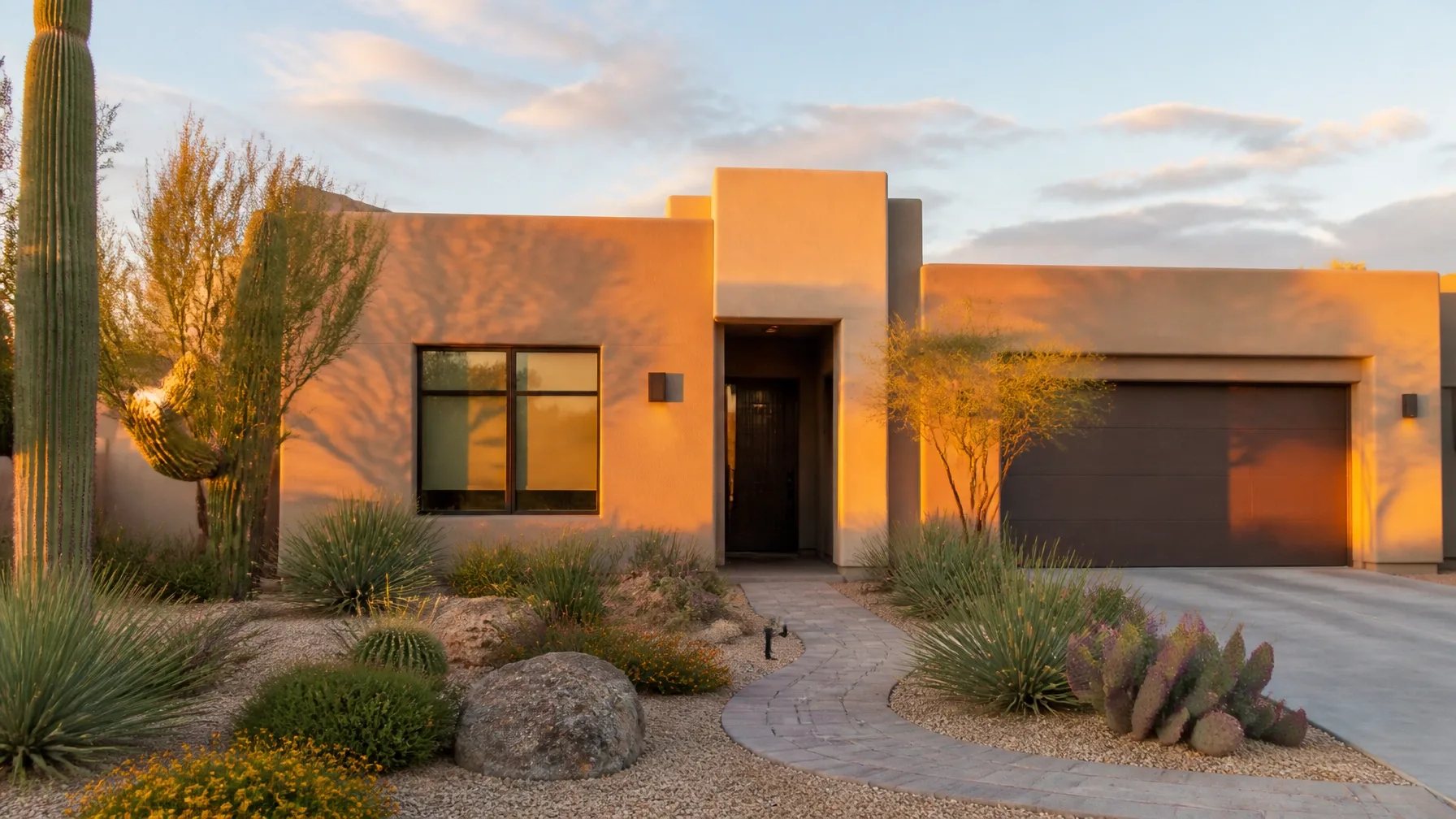
- Housing mix: single-story desert homes, master-planned communities with their own recreation, and dedicated active adult neighborhoods
- Practical housing economics in general terms: property taxes, insurance, and utility patterns differ from other states, which buyers weigh both ways
- Proximity and access: freeways, a major international airport, and day-trip access to higher-altitude escapes
What do the census figures actually say about growth?
The growth story has a verifiable paper trail. The 2020 Census counted Phoenix at about 1,608,000 residents, and the Census Bureau's July 1, 2024 estimate put the city at about 1,673,000, holding its place as the fifth-largest city in the United States. The Phoenix-Mesa-Chandler metro grew about 15.6% between the 2010 and 2020 censuses, and Arizona's statewide count rose 11.9% to about 7,151,500 in 2020, with a 2024 estimate near 7.58 million.
Growth is a description of the past, not a prediction. Population trends can and do shift with economic conditions and affordability, and a growing metro does not by itself make any home a better purchase. For a buyer, the right use of these figures is context: Arizona is a state people move to, which means both opportunity and competition, and the specific fit is what matters.
How should a distant buyer test whether Arizona fits?
Treat the lifestyle claims the same way you would treat a home listing: verify before you commit. Spend the season you are most worried about here, not the best week of spring. Drive the commutes at the actual times. Add up the monthly costs that a mortgage calculator never shows: HOA fees, community district taxes, insurance, cooling, and pools. Compare two or three areas against your priorities instead of absorbing a metro-wide story.
And be honest about tradeoffs. The desert climate that draws some buyers is a real adjustment for others. Distance between communities, summer temperatures, and the pace of growth all cut both ways. A good relocation conversation puts those tradeoffs on the table, which is what the strategy call at the bottom of this page is for.
What should you verify, and with whom?
Each verification has the right authority: the county assessor for taxes, an insurer or licensed insurance professional for coverage, the HOA for fees and rules, the school district for boundaries, and your lender for the financed monthly payment. None of these are items an agent should guess for you, and a good agent will tell you exactly whose answer is authoritative for each one.
Consider the tradeoff: remote research or an in-person visit first
Most distant buyers blend both. The useful way to think about it is what each phase is for.
Remote first
- Pre-approval, financing, and area research cost nothing to do from anywhere.
- A shortlist built remotely makes the trip far more productive.
- Screens cannot judge noise, light, neighborhood feel, or a real commute.
Visit early
- You test the climate, the neighborhoods, and the pace of life directly.
- You can eliminate areas a spreadsheet cannot.
- Without pre-approval and a shortlist, a visit can turn into tourism with a folder of listings.
Frequently asked questions
Why are out-of-state buyers still considering Arizona?
In general terms, the reasons are durable and well documented: a warm, dry climate with mild winters, an outdoor lifestyle with year-round recreation, a housing mix that includes single-story desert homes and master-planned communities, and a large metro with the services of a major city. Not every buyer, and not every budget, will find the fit; the honest approach is to test the specifics against your own priorities rather than assume the general picture applies to you.
Is the Phoenix area still gaining new residents?
Census figures show sustained growth. The 2020 Census counted Phoenix at about 1,608,000 residents, and the Census Bureau's July 1, 2024 estimate put the city at about 1,673,000, keeping it the fifth-largest city in the country. Arizona counted about 7,151,500 residents in the 2020 Census, up 11.9% from 2010, with a 2024 estimate near 7.58 million. Growth describes the past, not a prediction: population trends can shift, and they do not by themselves tell you what a home is worth or what will happen to prices.
How much of the buying can I do before I visit?
Nearly all of the research and much of the process can run from anywhere: pre-approval, financing comparison, neighborhood research, video tours, and document review. What in-person time buys you is the judgment that screens cannot: the feel of a block, the noise, the light, the commute. The practical plan is to do the remote work thoroughly, then visit with a shortlist, not with an open search.
What do out-of-state buyers most often underestimate?
The ongoing costs that are specific to Arizona housing: property tax variability, insurance differences by location, HOA and community district fees, and summer utility costs, especially with pools. They also underestimate the value of verifying the commute at the times they will actually drive it. None of these are deal breakers; they are exactly the items that belong on a list to verify with the right county, district, insurer, and community before you commit.
Should I work with an Arizona agent before I am ready to buy?
Early is usually better. A local agent who knows your shortlist can vet what listings and portals cannot, flag real cost differences, and keep the timeline realistic around a remote move. The buyer representation agreement documents how your agent is compensated, and it is worth reviewing before you sign so you know what representation includes and what it does not.
Related resources
- Relocation guidance Buying from a distance: how the remote and in-person pieces fit together.
- First 30 days in Arizona A month-by-month playbook for the Phoenix-area search.
- Buyer resources The whole buyer process in one place: financing, steps, and timelines.
- Community guides Deep dives on Verrado, Estrella, Sun City, PebbleCreek, and more.
- Areas we serve A market-level view of Phoenix Metro and the West Valley.
- Search homes Browse current Phoenix-area listings and save the ones that fit.
Sources and dates: U.S. Census Bureau 2020 Census counts and Vintage 2024 population estimates for Phoenix city, the Phoenix-Mesa-Chandler metro area, and Arizona, as cited with dates above. Census estimates are dated estimates, not projections, and growth figures describe the past. Nothing here is a market prediction, a promise of affordability, or a claim about future prices. Confirm current taxes, insurance, HOA rules, utility costs, and school assignments with the relevant county, district, insurer, community, and professionals before you commit.
Next step
Test the fit before you move
A relocation strategy call covers the list most agents skip: taxes, insurance, HOA costs, commute, and a realistic timeline for a purchase from a distance. Bring your questions.
- Phone
- 623-400-5957
- andrew@clearlysold.com