
Blog · Selling a Home
Phoenix Heat: Practical Home-Selling Considerations
Selling a home in a Phoenix summer is a logistics exercise with real, official weather facts behind it: showing schedules, property systems, and comfort. It is not, by itself, a market signal. This guide separates the practical planning the heat demands from buyer-behavior claims that require dated housing evidence.
 By Andrew Texidor Realtor · Founder, Clearly Sold Updated October 7, 2026
The direct answer
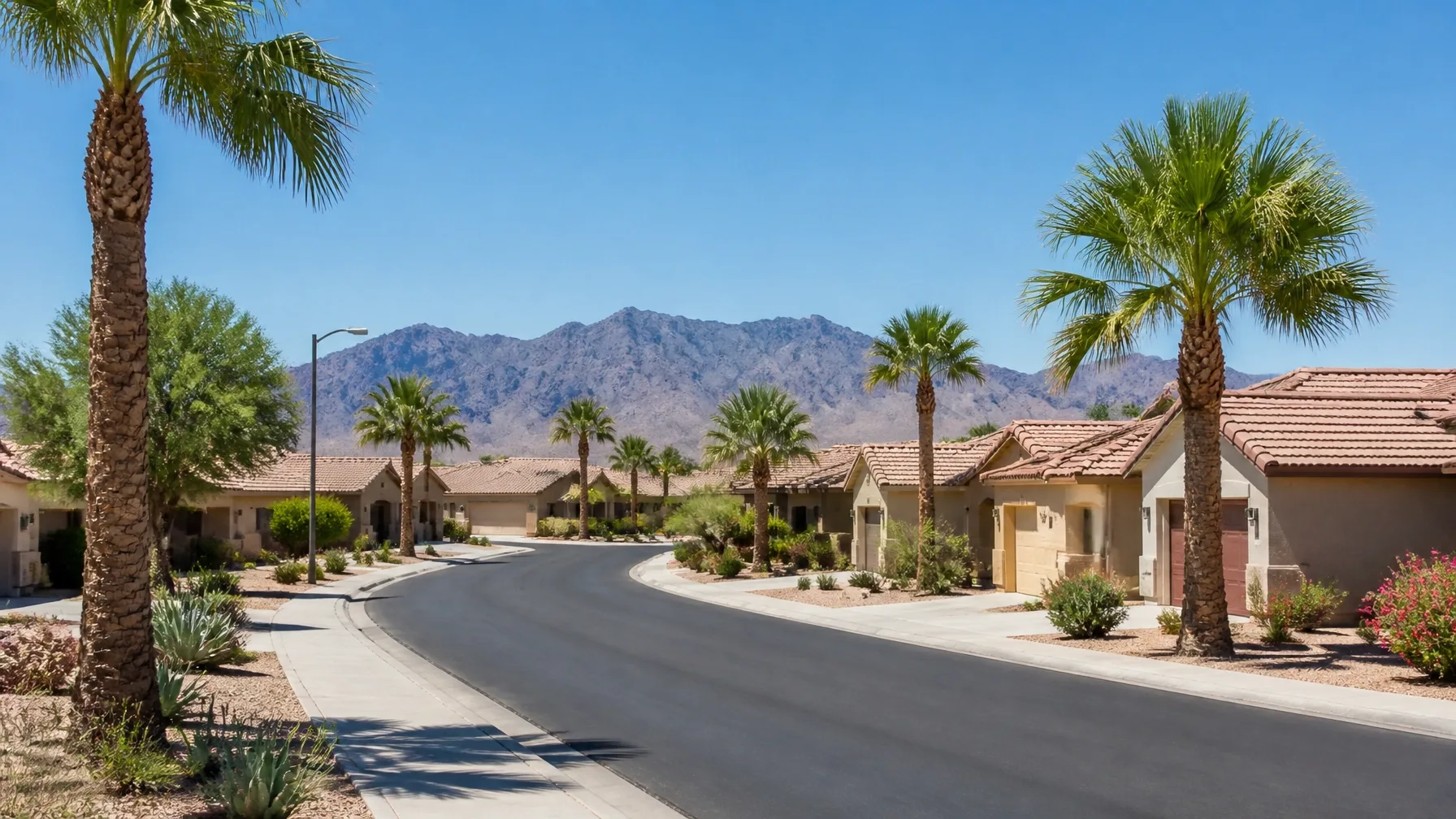
Phoenix summers are extreme by the official records: under the 1991 to 2020 climate normals at Sky Harbor, July averages a high of 106.5 degrees and August 105.1, with the hottest stretch typically running June through mid-August and monsoon storms most active from mid-July to mid-August. For sellers, that is a practical planning list: schedule showings around the heat, present the home comfortably, and let the season show off working systems. It is not proof of what buyers will do. Demand claims belong to dated, sourced market data, not to the thermometer.
Key takeaways
- Phoenix heat is a practical planning fact, not a market signal. Official climate records describe the summer, but what buyers actually do is measured with dated housing data, not weather.
- Schedule around the heat. Early mornings and early evenings make for more comfortable showings, and comfort affects how long buyers linger, not what they conclude.
- Let the season work as a systems reveal. Summer is when a buyer can see the AC, pool, and irrigation systems operate under real load, and when sellers should make sure those systems do.
- Never promise cooling costs, safety, or sale outcomes. Utility seasonality varies by home, and no documentation supports a guarantee.
- Seasonal market claims need evidence. If someone tells you the heat decides the Phoenix market, ask for the dated sale and inventory numbers behind it.
What does the official climate data actually say?
The National Weather Service's Phoenix office maintains the long-term records for Sky Harbor. Under the 1991 to 2020 normals, July averages a high of 106.5 degrees and a mean of 95.5; August averages a high of 105.1 and a mean of 94.4. Extreme heat is typical from June through mid-August: the average first 110-degree day falls in June and the average last one is August 13, and the longest stretch of 110-degree days on record was 31 consecutive days in 2023.
The weather service defines monsoon season as June 15 through September 30, with afternoon and evening thunderstorms most active from about mid-July to mid-August. For selling, that means two distinct planning windows: the dry extreme heat of June and early July, and the stormier stretch of mid-July into August, when dust and rain can interrupt showings at short notice.
These are climate facts, and they are the only facts this article treats as certain. Everything the weather implies for buyers or sellers beyond scheduling is a claim that needs its own evidence.
How does heat change showing logistics?
Comfort shapes how long a buyer stays, and time in the home shapes how much they notice. Schedule showings for early mornings and early evenings when practical, keep the interior meaningfully cooler than the outdoor air before each tour, and control sun with blinds and shading so rooms feel bright without the greenhouse effect.
Monsoon season adds an itinerary layer: keep an eye on the afternoon storm pattern, have a plan for dust and rain days, and communicate location details to buyers who may be arriving from a distant part of the metro. None of this changes what the home is worth; it changes whether buyers actually stay long enough to appreciate it.
Which property systems deserve attention in a summer listing?

Summer is the season when the biggest systems run under full load, which is an opportunity: a buyer can see the air conditioner keep the home comfortable on a 110-degree afternoon, and a pool (if there is one) reads as a working amenity rather than a feature on paper. The corollary is that any weakness shows too. Have the AC serviced, confirm the pool equipment cycles properly, check irrigation for leaks and standing water, and be ready to share the home's actual utility history.
What no one can honestly promise is the buyer's future cooling bill or the home's safety in any weather. Utility records are numbers you have; a projection of someone else's usage is not.
What about buyer behavior and seasonality?
You will hear that "nobody buys in the Phoenix summer." That is a testable claim about housing data, and it should be treated like one. Buyer activity does show seasonal patterns in many markets, but the size and direction of those patterns vary by year, price band, and neighborhood, and the only honest evidence is dated data: closed sales, new listings, pending sales, and showing activity over the same period in prior years.
This guide deliberately does not claim the heat lowers demand, because weather alone does not establish that. The dated market posts on this site are where numbers like that live, with sources and periods attached. Seasonality can inform your timing plan; it should never replace property-specific pricing evidence.
The summer seller checklist
- AC servicing completed and working through the hottest hours
- Pool and pool equipment cleaned and running normally if there is a pool
- Irrigation and desert landscaping in clean order, with no standing water
- Interior kept cooler than the outdoor air so showings start comfortably
- Blinds and sun control set so rooms feel bright without greenhouse heat
- Showings scheduled early morning or early evening when practical
- Water sources checked: no drips, no leaks, no humid-smelling rooms
- A dated record of your own utility use ready for the buyer's questions
Frequently asked questions
Does the heat make summer a bad time to sell in Phoenix?
That is a market question, not a weather question. Heat changes logistics: showings, staging, and comfort. Whether buyer activity is actually lower or higher in a given summer is measured with dated sale, inventory, and showing data, and that varies by year and neighborhood. Weather alone does not prove a demand change.
Should I schedule showings at a particular time of day?
Practically, yes. Mornings before the day heats up and early evenings are more comfortable for buyers, and comfort affects how long people spend in the home. It is also worth avoiding the hottest part of the afternoon for open-house style exposure wherever you can.
What if the home's summer utility costs are high?
Utility costs vary by home size, systems, insulation, pool, and usage, so a neighbor's bill is not your bill. Share the home's actual records if you have them, and expect buyers to verify the numbers that matter to them with utility providers. No honest seller or agent promises what a future buyer will pay.
Related resources
- Phoenix market 2026 The dated, sourced market numbers that seasonal behavior claims must be measured against.
- Seller solutions Every way to sell in Arizona compared honestly, including summer timing.
- Common seller mistakes Process-first preparation steps framed as prevention, not fear.
- Free Market Analysis The evidence-based starting point for pricing your home in any season.
- Buyer resources What buyers see when they tour your home, and what they verify.
- Resource library Plain-language education on the selling process and market conditions.
Sources and dates: climate figures verified October 8, 2026 against National Weather Service Phoenix (Sky Harbor) records and the 1991 to 2020 normals, including the NWS pages on extreme temperatures, monthly climate summaries, and the 2023 and 2024 year-in-review reports. Monsoon definitions follow the NWS Phoenix and City of Phoenix monsoon resources.
Educational note: weather planning facts are certain; their implications for buyer traffic are not. This article makes no cooling-cost, safety, sale, or health guarantees, and buyer-behavior claims require dated housing market evidence, not weather observations.
Next step
Planning a spring or summer sale?
We can help you plan the calendar, prep the systems, and time the showings for the season you are selling in. The market numbers stay honest, and so does the plan.
- Phone
- 623-400-5957
- andrew@clearlysold.com