
Blog · New Construction
Tracking New Construction Remotely, in Surprise and Buckeye
What you can and cannot do from a distance while your Surprise or Buckeye new home is under construction: registration and representation, inspection points, builder communication, warranty, and remote access, with every practice attributed to the builder that runs it.
 By Andrew Texidor Realtor · Founder, Clearly Sold Updated October 7, 2026
The direct answer
Remote construction tracking works through the builder's own systems and the independent inspections the builder allows: customer portals, project-manager updates, scheduled inspections, and final walkthroughs. The honest rule is that no two builders run these the same way, so the entire plan starts with confirming the specific builder's registration, communication, inspection, and warranty procedures in writing for the exact community.
Key takeaways
- Every builder runs its own process. Registration, sign-in at the sales office, inspection access, stage communications, warranty enrollment, and remote-tracking tools vary by builder and even by community, so there is no universal registration rule and no universal remote-visibility promise to repeat from a blog post.
- Registration matters for representation. If you plan to have an agent represent you, confirm how the builder's registration process applies to that agent before you sign in at the sales office, because builder policies on agent registration differ and timing usually controls eligibility.
- Remote tracking works through the builder's own tools and contacts: customer portals, project managers, weekly updates, and scheduled visits. What is available depends on the builder, and none of it is a substitute for the independent inspections you are entitled to arrange.
- Inspections are the evidence layer. The builder's quality process is its own, and an independent inspector you hire reports to you during the defined inspection points. Confirm when you may schedule inspections and what the community's rules allow.
- Warranty coverage is a written document, not a promise made in a tour. Get the warranty manual and understand what is covered, for how long, and how claims are filed, and confirm the same for community HOA and district documents.
Why does registration come before everything else?
Most production builders in Surprise and Buckeye require each buyer to be registered in their system, and agent representation is usually tied to that registration. A common builder policy: an agent is recognized and compensated only if the buyer is registered with that agent before the first sales-office interaction or before a defined reservation step. The timing rules differ by builder, and missing the window can cost the buyer representation they expected to have.
This is why the advice here is procedural rather than a single rule: ask the sales team directly how registration works in the community you are buying, and ask your prospective agent the same question, then get the answer in writing. No article can state a universal rule because there is not one.
What does remote tracking actually look like builder by builder?
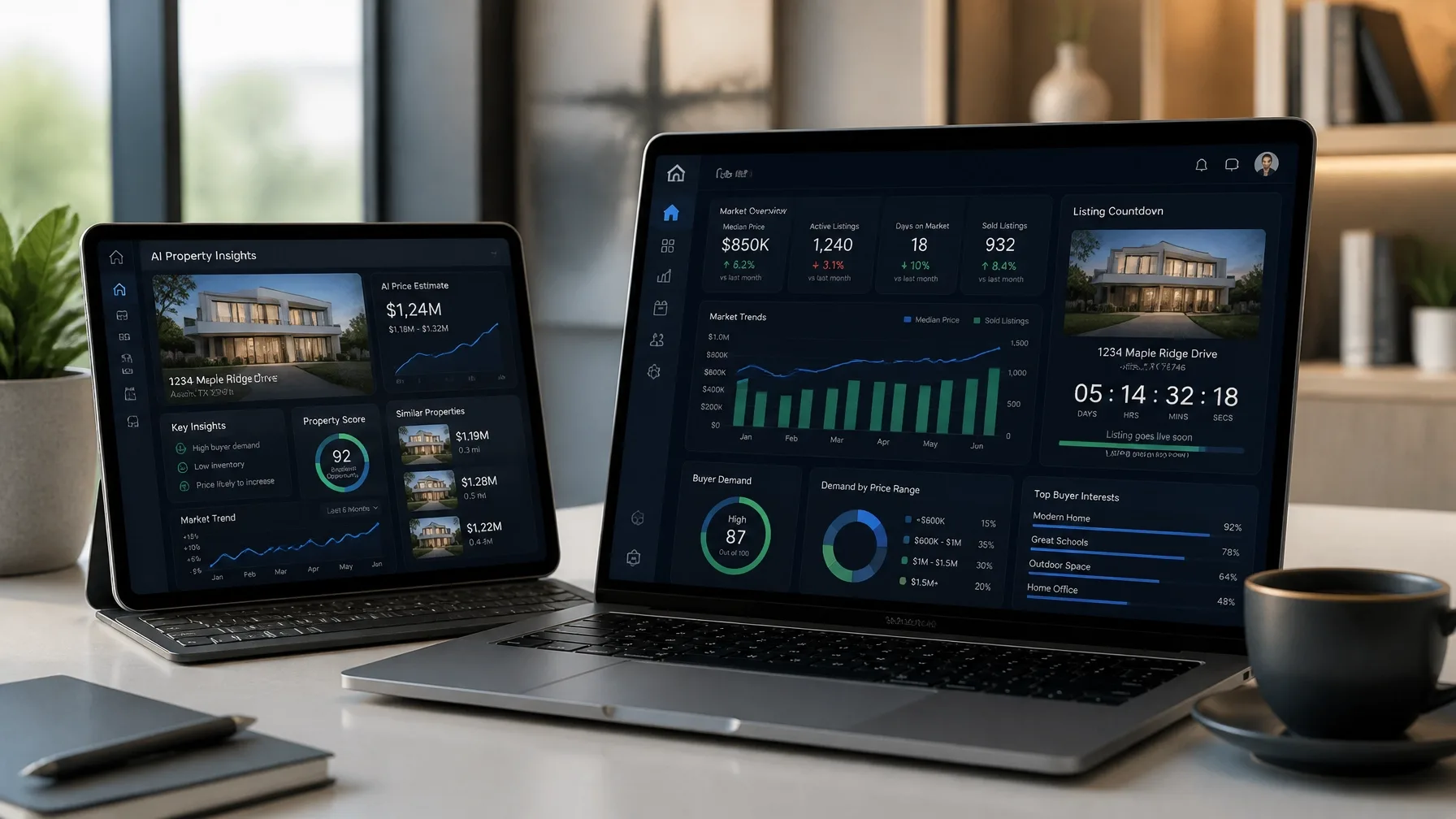
Remote visibility is a menu of options, and builders pick from it differently. Common elements include buyer portals with construction-stage updates, photos and video walkthroughs at scheduled milestones, a named project or customer-care manager reached by phone and email, and scheduled site visits you arrange around the builder's safety rules.
None of this is universal, and this guide makes no promise that any builder offers complete remote visibility into a build. The right question to each builder is direct: what updates will this buyer receive, through which tool, at which stages, and in what format? If the answer is a portal, ask what it contains and how current it is.
How do inspections work when you are not there?
Independent inspections are how remote buyers keep their own evidence layer on a build. Builders commonly provide defined inspection windows, such as a pre-drywall or frame inspection and a final walkthrough, with scheduling rules and sometimes fees attached. The inspector you hire reports to you, not to the builder, and that distinction is the value.
Ask the builder for the community's inspection timeline in writing, schedule the independent inspections within those windows, and have a local person you trust attend alongside when possible. If the builder's window for a stage has passed, the next milestone or the final walkthrough may still support a useful review, but the earlier evidence is stronger, so plan the calendar at contract signing.
What communication structure should you set up?
A build succeeds on named contacts and written schedules. At contract signing, confirm who your project manager is, how they are reached, how often updates arrive, and what triggers an update. Keep the record discipline of a transaction: written confirmations for every schedule change, upgrade selection, and inspection result, because disagreement at closing is almost always a disagreement about what was said earlier.
For remote buyers, communication frequency is also a budget line: screen sharing for meetings, a local representative for site visits, and the travel costs of in-person milestones. Distance does not remove the inspection work; it relocates it, and the budget should reflect that.
What does the warranty actually require you to verify?
The warranty is a written document with defined coverage periods, exclusions, and a claims process. Common published structures run one year for workmanship and materials, longer for major mechanical systems, and up to ten years for structural, with the exact terms varying by builder, state, and community. The remote buyer's job is the same as the local buyer's: read the warranty manual, know what is excluded, understand the filing process and any deadlines, and keep the documents with the title papers.
The remote-build checklist
- The builder's registration and sales-office policy, and how agent representation is documented
- The build schedule for your specific home and community, in writing
- Which construction-stage updates the builder provides and through which tool or contact
- When you may schedule independent inspections and what the processes are
- The warranty manual: coverage terms, durations, and the claims process
- Remote access options: portal access, video walkthroughs, and site-visit rules in your community
- HOA and community district documents that apply to the finished home
- The builder's contact structure: who your project manager is and how they are reached
The recurring theme is confirmation with the specific builder and community. What any other article, agent, or neighbor experienced with a different builder is context, not fact about yours.
Frequently asked questions
Is there a rule that I must register with the builder before bringing an agent?
That is builder policy, not a universal law. Many production builders in Surprise and Buckeye require each buyer to be registered under a specific agent before the first sales-office interaction for that agent to be recognized and compensated, and policies differ by builder and by community. Ask the sales team and your agent about the exact registration process for the community you are buying in, in writing.
Can I really track construction from another state?
Usually partially, and the details are builder-specific. Customer portals, scheduled updates, photos, and video walkthroughs are common, but no builder guarantees complete remote visibility into a build, and this article will not claim one does. Combine whatever the builder offers with independent inspectors and periodic in-person visits from someone you trust.
When can an independent inspector visit the home?
Builders commonly allow inspections at defined stages, and policies differ. Ask for the community's inspection windows, the required scheduling process, and any applicable fees before closing, and put the schedule in writing. A pre-drywall walk and a final walkthrough are common points, but confirm the current practice with your specific builder.
What does the builder's warranty actually cover?
Coverage is defined in the warranty documents for your home and state: typically workmanship and materials for a stated period, major mechanical systems for a longer period, and structural coverage for a still longer period, with exclusions, conditions, and a claims process spelled out. Read the warranty manual for your community and ask what is and is not covered in your situation.
Sources and dates
This is a process-education article dated October 7, 2026, built around the practices Arizona production builders commonly publish rather than any single builder's current rules. Builder registration, inspection, communication, warranty, and remote-access procedures vary by builder and community, and the article intentionally attributes them as such. Confirm every procedure with the specific builder and community before relying on it, and verify current warranty terms in the manual for your home.
Educational note: this article explains how new-construction tracking generally works; it is not a statement of any builder's current registration, inspection, warranty, or communication policies, and it makes no guarantee of remote visibility, build quality, completeness, or availability. Practices differ by builder and community and change over time. Verify every procedure with the specific builder and review the warranty and purchase documents in writing.
Next step
Buying new construction from a distance?
A strategy call can walk through the builder's registration rules, inspection windows, and communication plan for the specific community, so the remote build is tracked with evidence, not hope. No pressure, just the process mapped.
- Phone
- 623-400-5957
- andrew@clearlysold.com